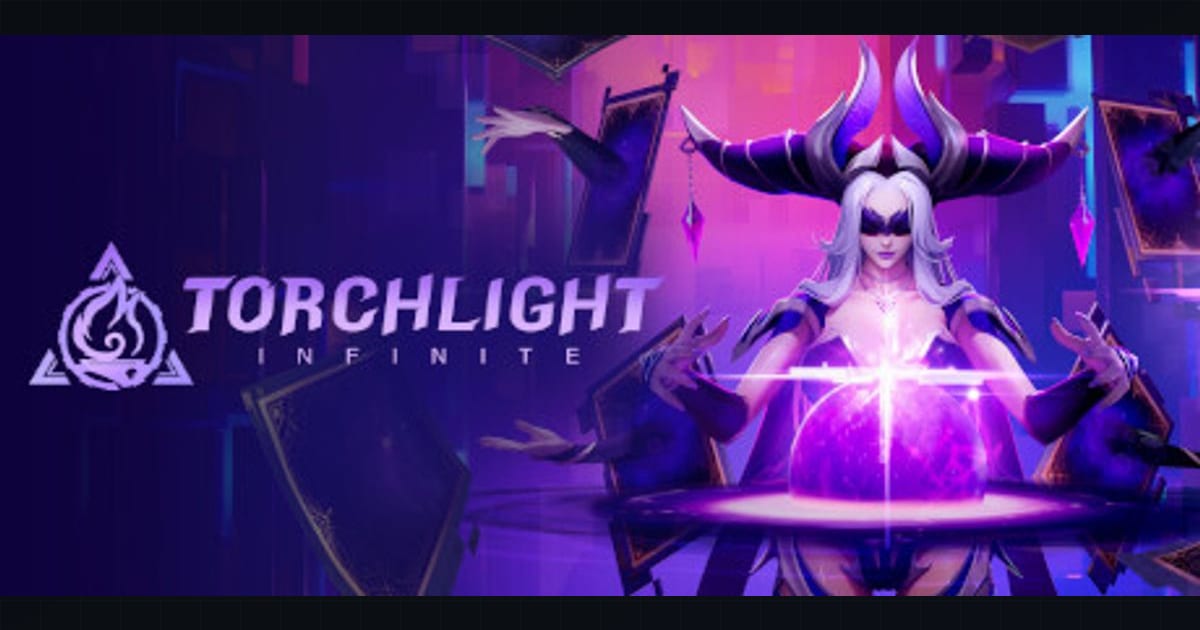
Torchlight Infinite structures its character progression around hero traits — fixed combat identities chosen at character creation that cannot be changed later. The hero documentation lists twenty-seven trait variants across the roster, and each one defines a resource, a trigger condition, and a payoff that the rest of the build is built around. This guide covers how those traits work, the archetypes they enable, and the gear and talent path that sustains a build through the endgame mapping loop.
What a hero trait actually is
Per the community wiki, a hero trait is a unique ability that determines a hero’s initial appearance and overall fighting style, selected at character creation and locked permanently — to change traits you create a new character. Some traits are free on a new account, some are purchased, and one is earned through in-game achievements. Once obtained, a trait is permanent and carries across seasons.
Each trait introduces a resource or mechanic that the build orbits. Berserker Rehan’s Anger trait builds Rage on hit and on taking damage, gains bonuses that scale with Rage, and enters a Berserk state at maximum Rage that expands the effective Rage pool. Divineshot Carino’s Ranger of Glory uses an ammo resource that boosts projectile skill damage when consumed and auto-reloads when empty. Frostfire Gemma’s Ice-Fire Fusion gains Fire or Cold Energy from the corresponding skill type, and at max energy triggers Frostfire Rampage, consuming the energy.
The trait is the build’s engine. Skills, talents, and gear exist to feed the trait’s resource, trigger its payoff, and scale its output.
The trait archetypes
The official roster groups into a few recognizable archetypes, and understanding which one your trait belongs to tells you what to prioritize.
Resource builders — Anger Rehan, Ranger of Glory Carino, Ice-Fire Fusion Gemma — generate a resource through normal play and spend it for a burst of power. These builds want skills that trigger the resource frequently and gear that scales the payoff. Rehan wants melee attack speed and on-hit effects; Ranger of Glory Carino wants projectile quantity and damage; Ice-Fire Gemma wants both fire and cold skills active so she can flip between energy types.
Positioning builds — Wind Stalker Erika — reward movement. Wind Stalker Erika gains the Stalker buff after moving a set distance, which raises movement speed, multistrike chance, and damage. These builds stack movement speed and “additional damage while moving” affixes, and they want mobility skills that reposition without interrupting the main skill.
Minion and summon builds — Order Calling Moto and Charge Calling Moto, Growing Breeze Iris and Vigilant Breeze Iris, Wisdom of The Gods Thea — run through pets or synthetic troops. Order Calling Moto commands a Synthetic Troop and applies Overload to buff minion life, speed, and attack; Charge Calling Moto sends the troops to self-destruct for explosion damage. These builds scale minion damage, minion attack and cast speed, and command generation, and they lean on the God of Machines talent tree.
Spellburst and casting builds — Spacetime Illusion Youga, Spacetime Elapse Youga, Incarnation of The Gods Thea — revolve around casting, mana, or a special gauge. Spacetime Illusion Youga creates a Twisted Spacetime zone that buffs him while he stands in it and lets him summon a shadow that casts skills independently. These builds want cast speed, mana, and the Goddess of Knowledge talent tree.
Bomber and alchemy builds — Blast Nova Bing, Creative Genius Bing, Licorice Note Sage — throw or detonate projectiles and potions. Blast Nova Bing packs many projectiles into bombs thrown and detonated at once; Creative Genius Bing charges two Inspiration Machines with different essences to weaken enemies and unleash spell bursts. These builds stack projectile quantity, spell damage, and ailment scaling.
The talent tree as the second layer
Beyond the hero trait, Torchlight Infinite has a pantheon-based talent system. The builder and community guides reference six god trees — God of Machines, God of Might, God of War, Goddess of Deception, Goddess of Hunting, and Goddess of Knowledge — each with core talents you select at two points and a field of minor talents you fill with points.
The tree is where you specialize the archetype your trait set up. A minion Moto build picks the God of Machines tree and takes Orders for minion damage and summon cast speed, Sentry for sentry quantity, and Mighty Guard for minion skill levels and command generation. A physical attack Rehan build picks God of Might for attack damage, fire damage, and tenacity-blessing scaling. A cold caster Gemma picks Goddess of Knowledge for spell damage, mana, and the Frostbitten node that inflicts frostbite on first cold hit.
Because the tree is shared across all heroes, your trait and your god tree have to agree. A projectile Carino paired with the Goddess of Hunting tree stacks crit and multistrike; the same Carino paired with God of Machines would be wasting nodes on minion stats he does not use.
Energy and the gear plan
Torchlight Infinite’s endgame gear uses an Energy system on items, where affixes cost Energy and a build has a limited Energy budget. The builder documentation shows tier-zero and tier-one affixes scaling everything from aura effect and warcry cast speed to specific damage types like horizontal projectile damage or terra skill damage, plus defensive layers like damage taken reduction and elemental resistance.
The gear plan for the mapping loop follows the trait and tree. A Wind Stalker Erika wants projectile damage, multistrike chance, movement-speed-converted-to-damage, and evasion. An Order Calling Moto wants minion damage, minion attack and cast speed, sentry quantity, and command generation. A cold Gemma wants cold damage, frostbite rating, freeze chance, and mana. The T0 affix list includes specialized stats like Numbed chance for lightning builds and Sentry quantity for sentry builds, which means a finished endgame item is one whose affixes all point in the same direction.
The mapping loop itself is the endgame activity the build is built for. The community economy guides reference tier-based boss farming — T7, T7-2, T8-0 — and seasonal mechanics like Dream and Nightmare that layer on top of the base mapping. A build that clears maps fast but cannot survive a boss’s burst fails the loop; a build that survives everything but clears slowly fails it on the economy side. The goal is a build that does both, which is why the trait, tree, and gear have to agree.
A repeatable build process
Start with the trait. Read what resource it generates, what triggers the payoff, and what the payoff scales with. Pick a god tree whose core talents amplify that payoff. Choose skills that feed the trait’s resource as often as possible and a main skill that benefits from the payoff. Then gear toward the same stats the trait and tree already reward, spending Energy on affixes that all push the same axis rather than spreading across unrelated ones.
Test the build in the mapping loop before committing to expensive gear. If a build stalls at a particular map tier, the failure is usually one of three things: not enough damage to clear trash before it reaches you, not enough defense to survive a boss’s burst, or not enough sustain to last a full map. Each of those maps to a specific fix — damage type and penetration, defensive layers and CC resistance, or life and energy shield recovery — and the talent tree and gear affixes both have nodes for all of them.
What it means for players
Torchlight Infinite’s hero trait system means your build decision is made at character creation, not at endgame. That is a constraint, but it is also what makes the builds legible: a Wind Stalker Erika is always a movement-and-multistrike build, an Order Calling Moto is always a minion-and-sentry build, and the gear and talent systems are broad enough to express that identity across a long endgame.
For players coming from other action RPGs, the shift is that you do not respec your way into a new build — you roll a new character. That makes the trait choice the most important early decision in the game, and it is why the community wiki documents every trait’s mechanic in detail before you commit. Read the trait, match the tree, gear the same direction, and the mapping loop takes care of the rest.