HARDWARE Sep 7, 2026
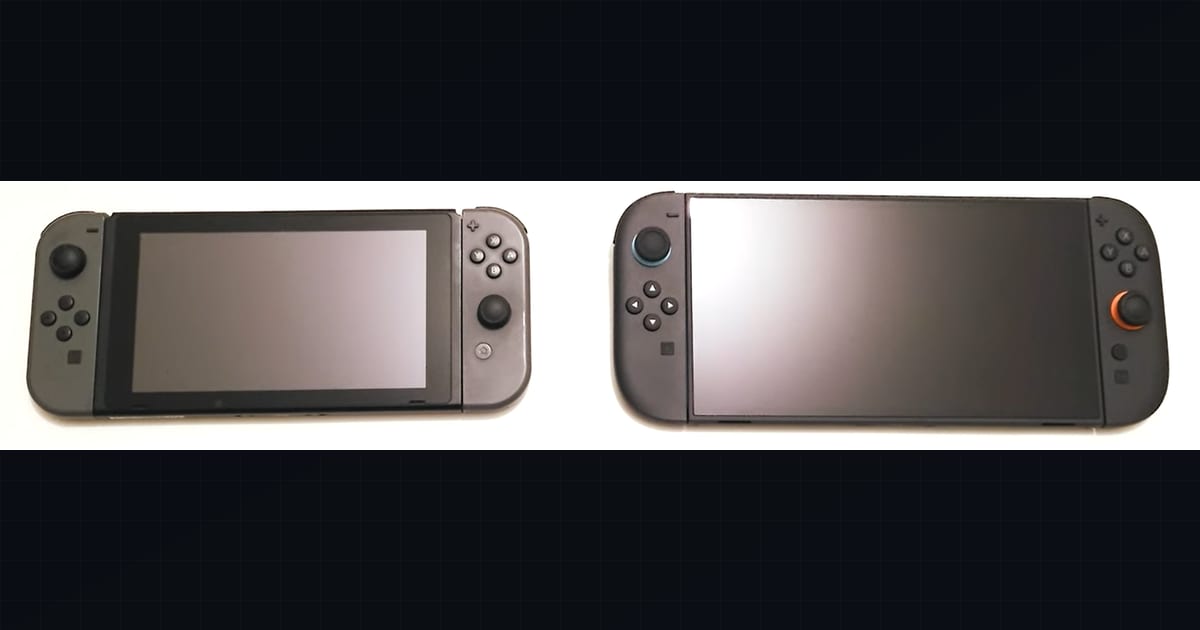
Nintendo Switch 2 owners hit with wrongful online bans over server-side error
Nintendo Switch 2 owners were temporarily banned from online services due to an internal server problem
Nintendo Impact: 8/10
Filtered coverage tracking verified updates for HARDWARE titles and hardware targets.
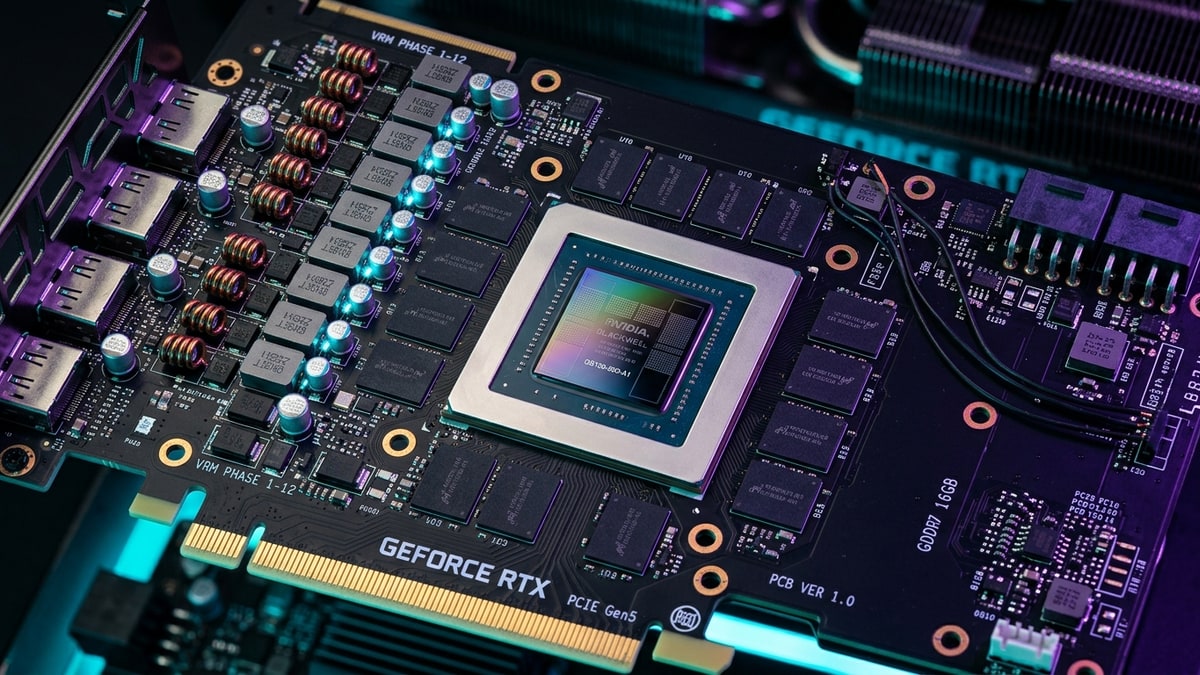
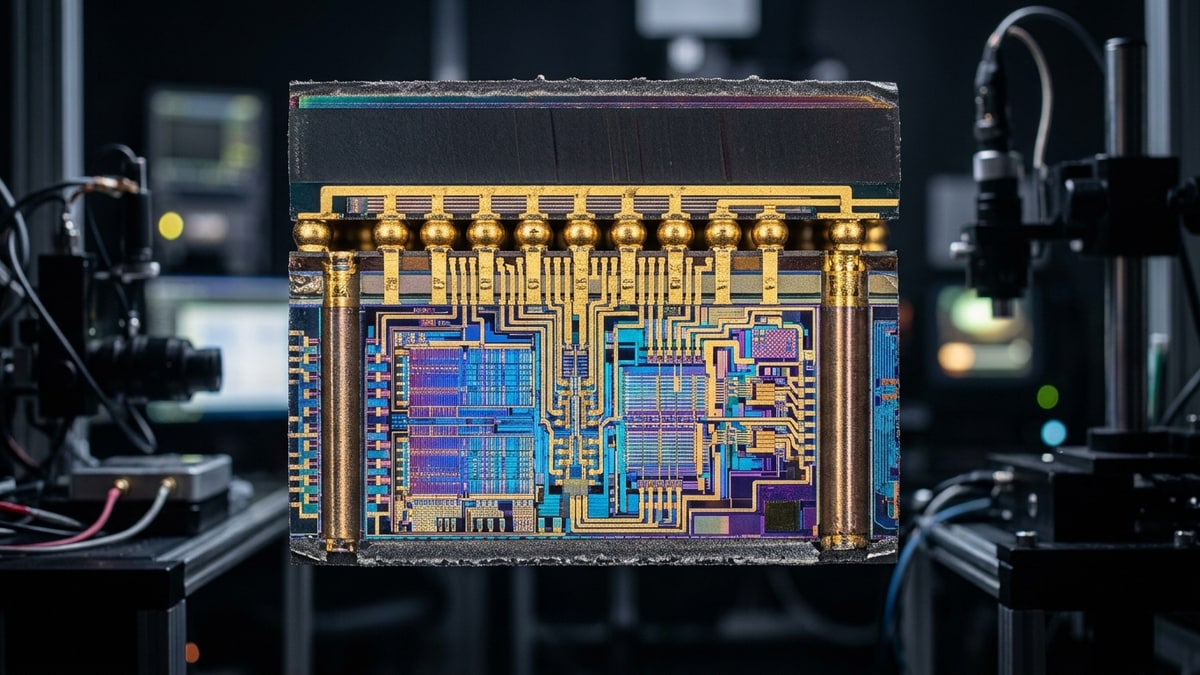
Hardware and silicon coverage targets the components that set gaming performance ceilings: DDR5 memory pricing and CXMT supply expansion, 3D V-Cache CPU benchmarks, RDNA 4 and RTX 50-series GPU architecture, VRAM tiers for 1440p and 4K, and form-factor shifts like CAMM2. We pull from manufacturer product pages, official specifications, and benchmark disclosures — and pair each piece with a macro image of the actual silicon, RAM, or socket rather than abstract stock art.
Nintendo Switch 2 owners were temporarily banned from online services due to an internal server problem
NVIDIA launched PAIR at IFA 2026, a free open-source app that routes AI agent workloads across multiple home PCs, cutting a five-agent task from 18 minutes to under 9.
A GitHub mod called DLSS-NR-on-AMD by Daniel Blanco loads NVIDIA's DLSS 5 neural renderer onto AMD RDNA 4 and RDNA 3 GPUs in DirectX 12 games that expose FSR
AMD introduced the Threadripper Halo Station at its IFA 2026 keynote as a liquid-cooled workstation for running AI models with more than one trillion parameters locally.
DLSS 4 Multi-Frame Generation adds input latency per generated frame, but Reflex + a high base fps keeps the playable window wide enough for most titles.
OLED burn-in risk in 2026: WOLED vs QD-OLED behavior, what warranty coverage actually says, and the usage habits that extend panel life.
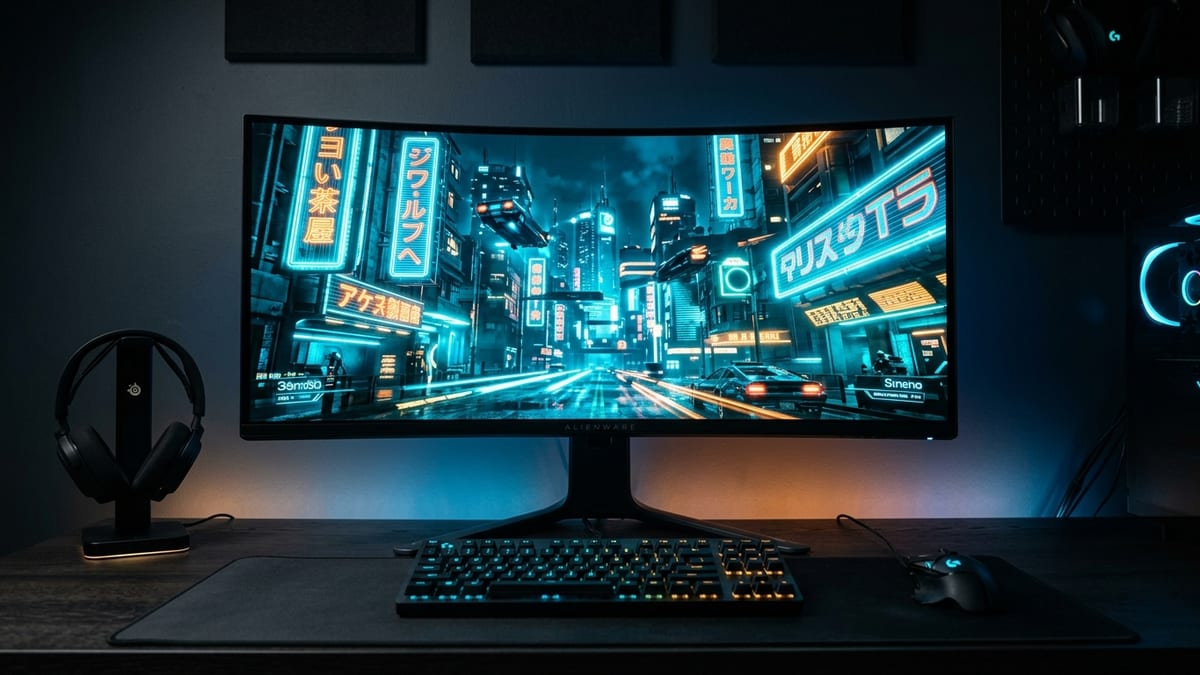
3440x1440 ultrawide vs 3840x2160 4K: engine support, HUD scaling, the GPU tier each demands, and the productivity tradeoff that decides the format.
A 3440x1440 ultrawide panel is roughly 34% more demanding than 2560x1440, and the cards that can hold 120 FPS at native ultra in 2026 sit in a narrower band than the marketing slides suggest.
Engine budgets, real-world 8GB-versus-16GB testing, and a bruised memory market have quietly pushed 12GB to the floor and 16GB to the middle.
AMD's 2nd Gen 3D V-Cache moved the 64MB cache stack beneath the Zen 5 cores, fixing the thermal ceiling that capped the 7800X3D and unlocking full overclocking on an X3D chip for the first time.
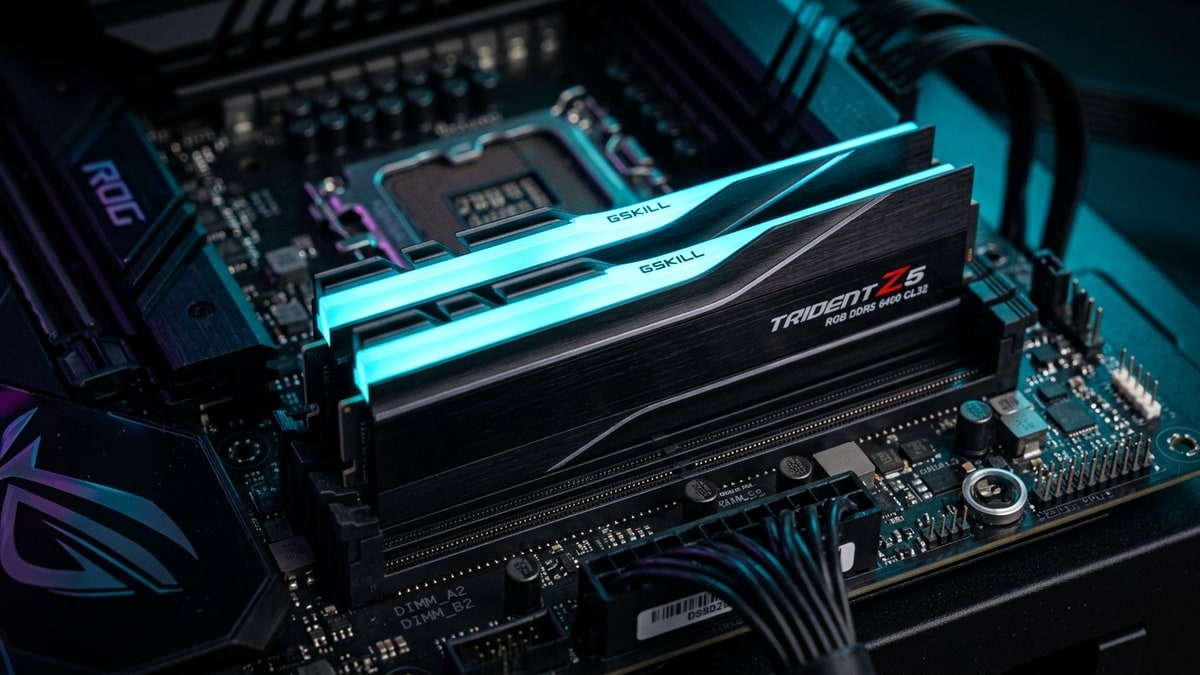
DDR5-8000's 33% bandwidth edge over DDR5-6000 CL30 only pays off when the platform runs its memory controller in a native gear-2 mode — which Intel Arrow Lake does and AMD Zen 5 resists, so the slower, cheaper kit wins on AM5 and the faster kit wins on LGA1851.
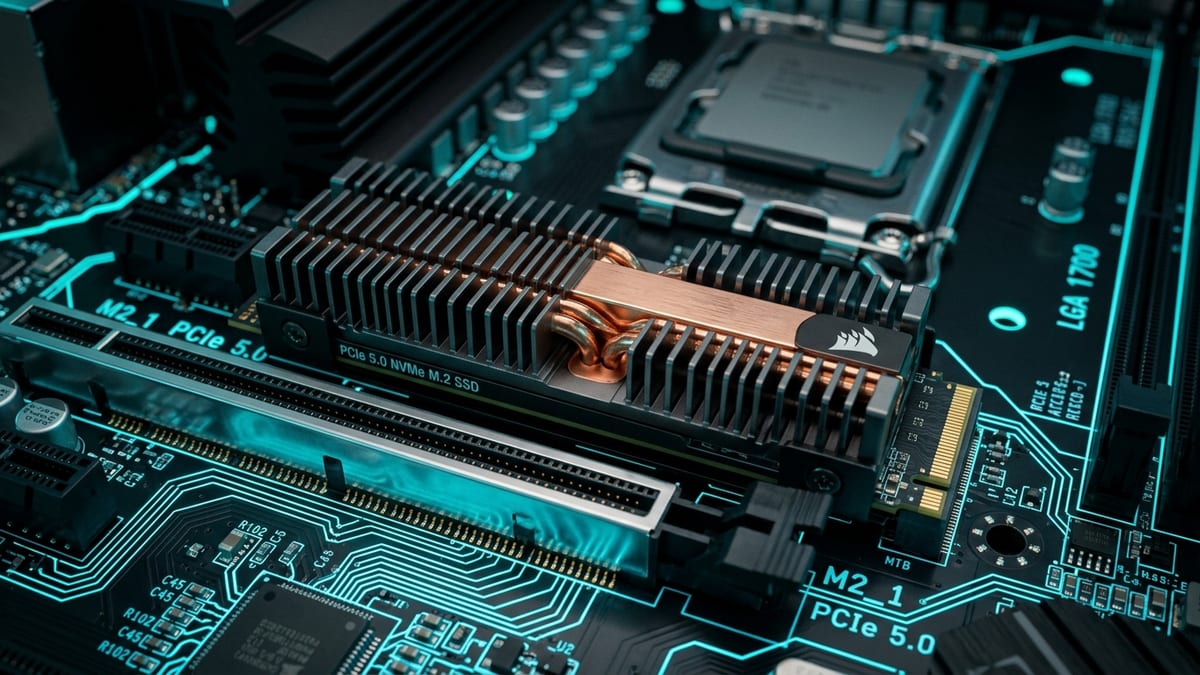
Four years after its PC debut, DirectStorage is finally picking up real shipping titles and engine support — here is which games use it, what the load tests show, and why adoption still moves slowly.
Single and multi-frame generation technologies add display latency—here's why 1% lows look smoother but feel worse, and how NVIDIA Reflex offset compensates.
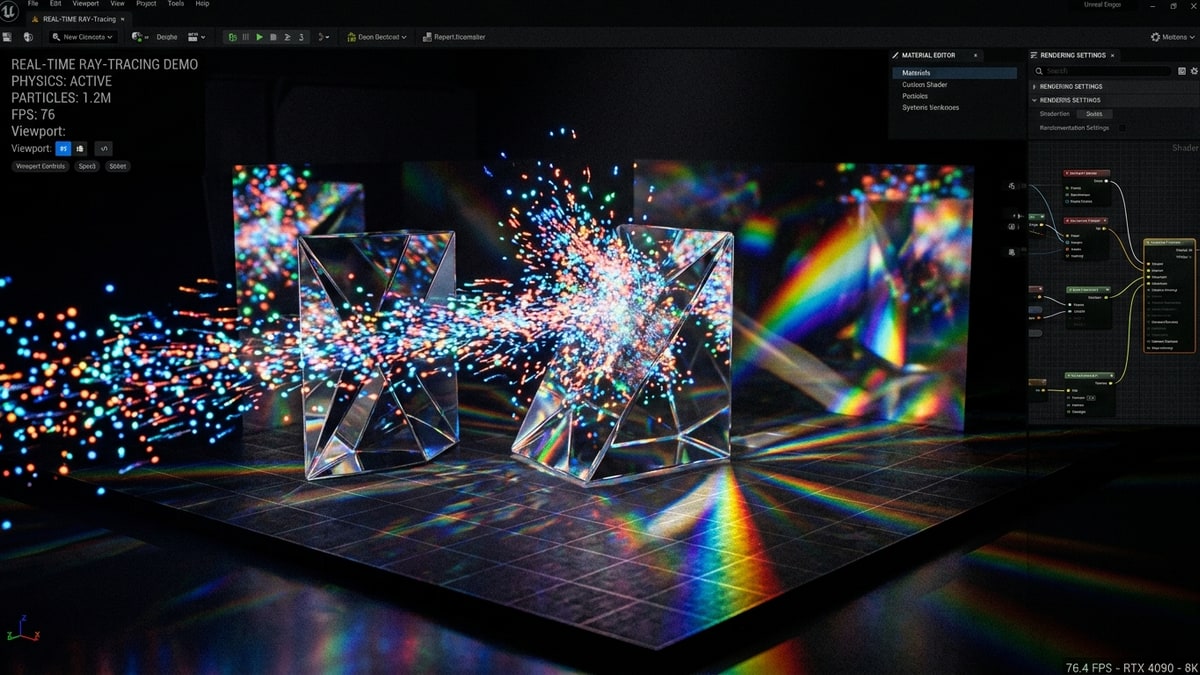
A reference glossary of every upscaler, frame technology, and display standard a 2026 GPU buyer will encounter—from XeSS and DLSS to PSSR and VRR.
PC Partner warns GPU supply will tighten significantly in the second half of the year, especially for entry-level cards
Total input-to-photon latency is a chain, and a 2026 measurement breakdown shows the mouse contributes a fraction of one millisecond, the engine contributes the largest pre-display wait, and the panel contributes the largest single stage.
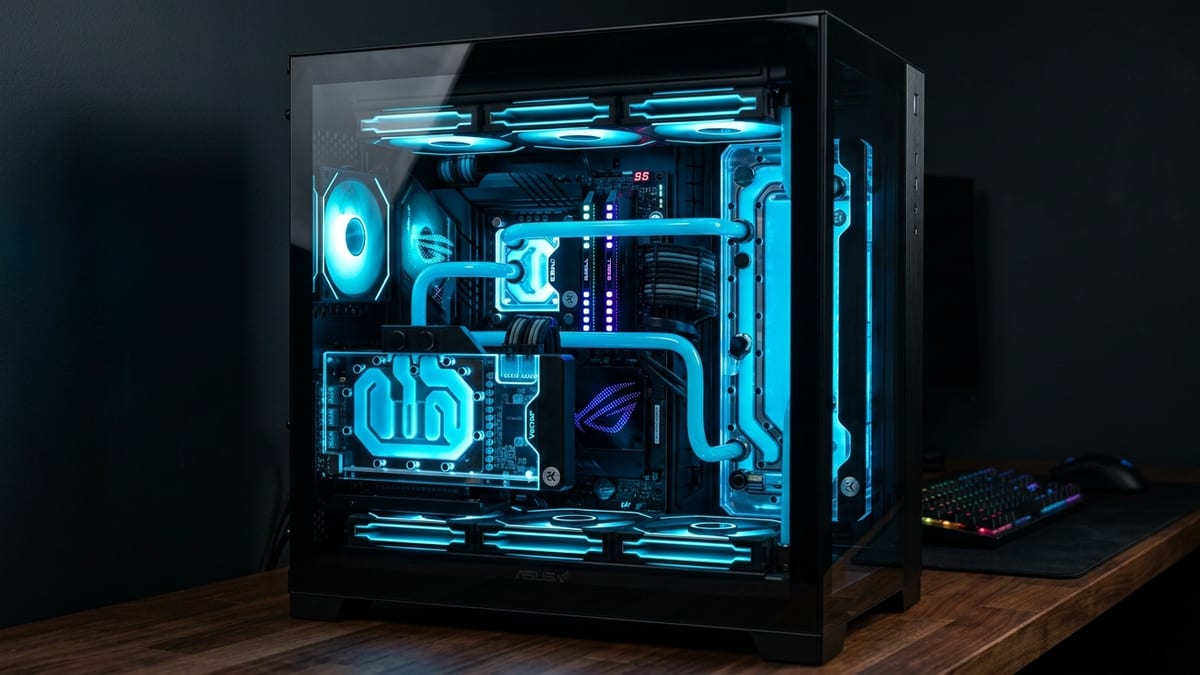
Path of Exile 2 and Last Epoch punish weak CPUs, slow storage, and low memory at endgame density; the right build targets frametime stability, not just average FPS.
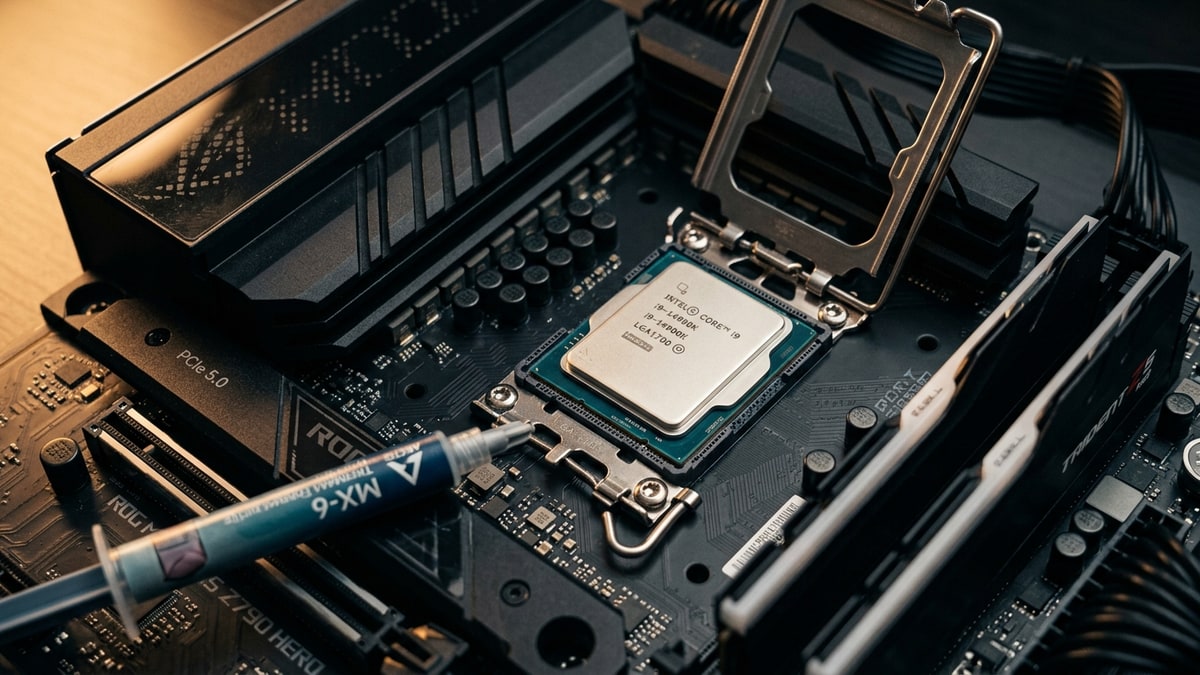
Grand strategy and RTS games are cache- and single-thread-sensitive, and 2026 part-picking should put the budget on AMD X3D silicon and fast DDR5 rather than a flagship GPU.

In FFXIV and WoW, the difference between a smooth raid night and a stuttery mess is not peak frame rate; it is the stability of frametimes under heavy CPU and memory load.
At the $700 price point, Sony's PS5 Pro and NVIDIA's RTX 4070 Super offer competing visions for 4K gaming - one through console optimization, the other through PC flexibility and raw performance.
NVIDIA's 360Hz G-SYNC and ASUS's 540Hz E-TN panels cut display latency and motion blur at a shrinking per-step rate, with the biggest perceptual gains landing between 144Hz and 360Hz and the rest coming from backlight strobing rather than raw refresh.
A step-by-step voltage-frequency curve tune for the RTX 5070, 5080, and 5090 that trades watts and degrees for nothing in frame rate.
Leaked spec sheets and supply-chain reporting point to a VRAM-heavy RTX 50 Super refresh that keeps slipping as GDDR7 memory costs climb.
Same Blackwell GPU, radically different performance: our face-off reveals where 8GB 1% lows fall apart under texture streaming at 1440p ultra settings.
A practical tuning walkthrough for DDR5 on Zen 5 — EXPO profiles, the UCLK=MCLK 1:1 ceiling at DDR5-6400, fabric clock limits, and the stability-test order that keeps a tuned AM5 rig bootable.
AMD's Ryzen 7 9800X3D and Ryzen 9 9950X3D are selling below MSRP with bundled coolers, a pattern that usually clears shelf space before a new generation arrives.
Frametime metrics like 1% lows, frame pacing and hitches reveal what average FPS hides about gaming smoothness, with tools like CapFrameX and PresentMon providing the data needed to analyze and optimize performance.
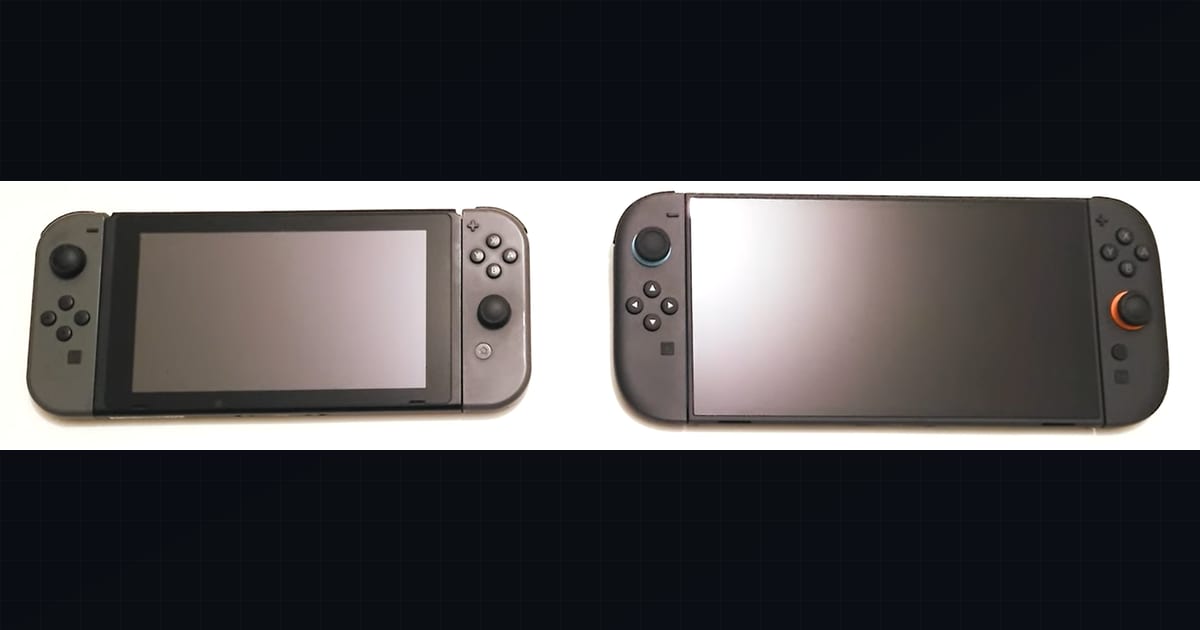
Nintendo Switch 2 uses NVIDIA's DLSS technology in handheld mode to upscale from lower internal resolutions to its 1080p screen, with two distinct DLSS variants offering trade-offs between image quality and performance.
Variable refresh rate now spans three overlapping ecosystems — NVIDIA G-SYNC, AMD FreeSync, and HDMI 2.1 VRR — each with certification tiers that set the VRR floor, mandate low-framerate compensation, and bound overdrive overshoot, with the cheapest FreeSync tier leaving LFC optional.
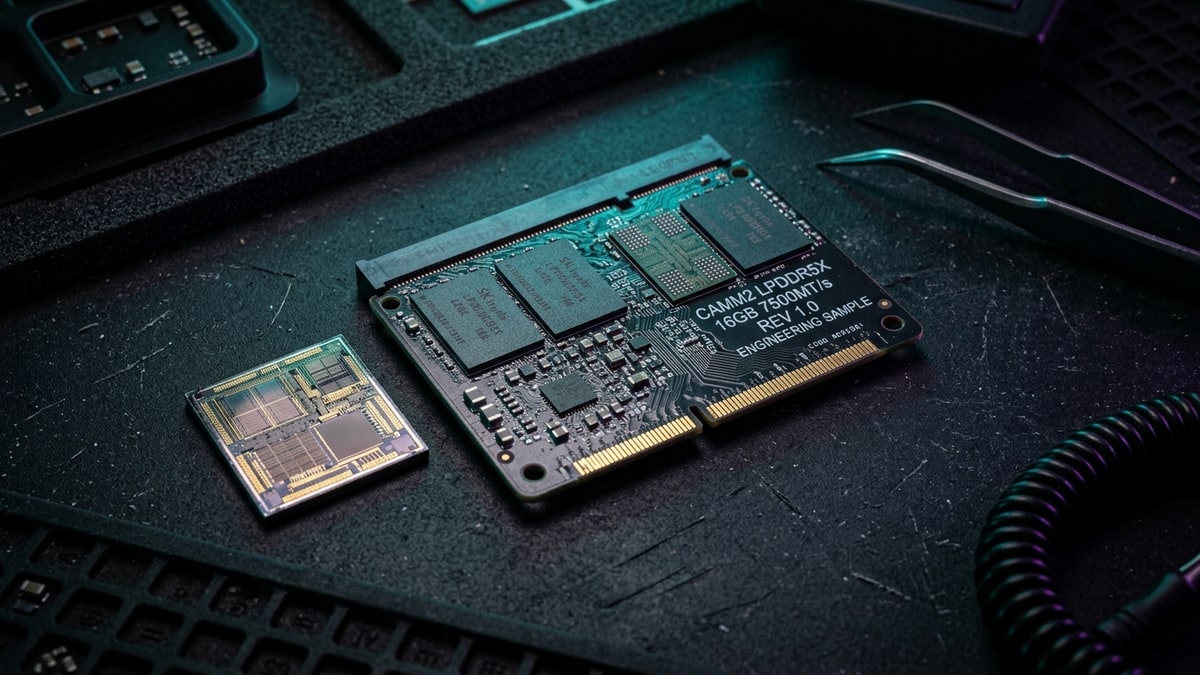
JEDEC's CAMM2 standard compresses memory flat against the board for a 57% thinner profile than SO-DIMM, shorter trace routing that helps latency, and single-module dual-channel operation — at the cost of a screw-down install and module-level upgrades.
CXMT's entry into DDR5 production adds a fourth major supplier to a tight market, but its output is sold at parity rather than a discount — so the real buyer impact is availability and what to verify on non-A-brand kits.
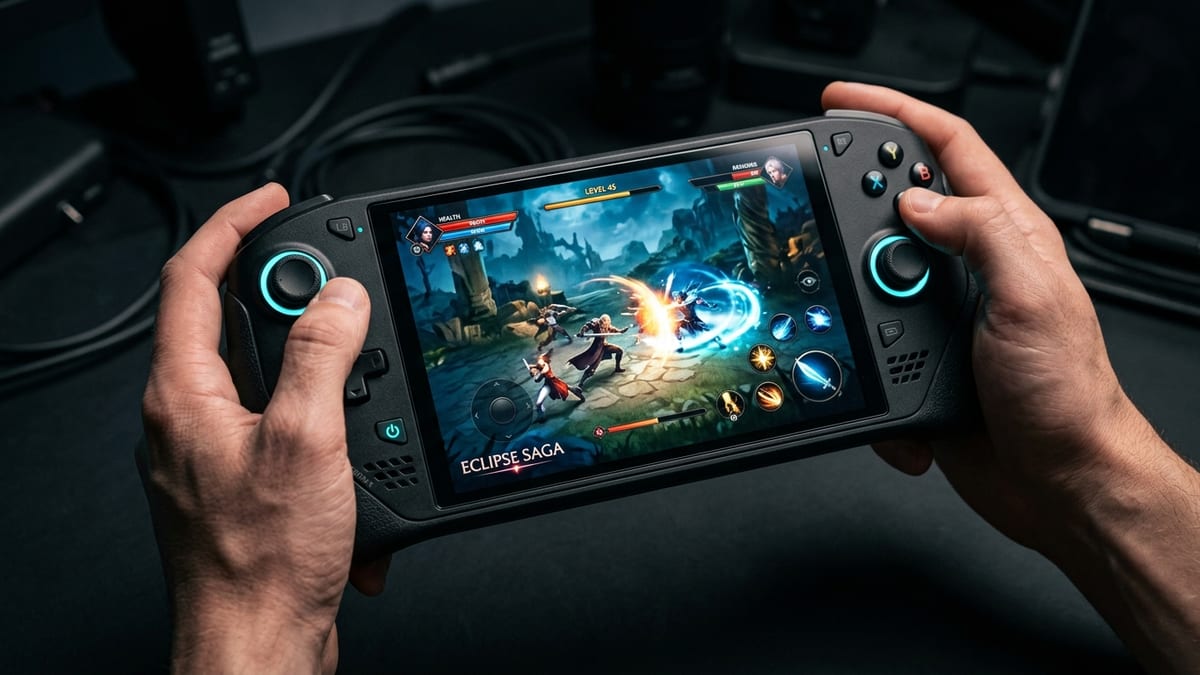
2026 handheld gaming PCs from ASUS and Lenovo run Windows 11 on AMD Ryzen Z2 silicon with OLED VRR displays, while Valve's SteamOS and Nintendo's Switch 2 compete on game compatibility, battery, and the operating-system experience.
Intel's Battlemage GPUs pair a maturing WHQL driver cadence with XeSS 2's super-resolution, frame generation, and low-latency stack, reframing what 1080p and 1440p viability means for the B-series.
A deep dive into what broke in Arrow Lake's ring bus and memory controller, what the 0x114 microcode and BIOS fixes addressed, and the gaming deficit that remains after the patches.
A practical tuning guide for Core Ultra 200S gaming: the 200S Boost profile, the DDR5-6400-to-7200 memory sweet spot, and the BIOS and Windows settings that recovered Arrow Lake's frame rates.
PCIe 5.0 NVMe roughly doubles sequential bandwidth over Gen4, but real game load times barely move because titles load through random reads and CPU decompression — DirectStorage is what could eventually change that math.
PS5 Pro Enhanced titles use a combination of PSSR upscaling, advanced ray tracing, and higher frame-rate targets; this running list tracks which games use which enhancements.
Sony's upgraded PSSR is an ML upscaler co-developed with AMD that reconstructs sharper, more temporally stable images on PS5 Pro, and it now rolls out as an optional system-level override for any PSSR-supported title.
AMD's official FSR 4.1 backport to Radeon RX 7000 in mid-2026 removes the biggest feature gap with RDNA 4, reshaping the value of the 7800 XT and 7900 XT on the used market — at the cost of a measurable performance hit versus FSR 3.1.
The 8-core 9800X3D gives gamers a single symmetric CCD with stacked 3D V-Cache, while the 16-core 9950X3D splits its cache across two asymmetric CCDs — and which one wins depends on whether your workload can stay on the fast die.
A benchmark-driven explainer of where CPU limits dominate GPU throughput in 2026, and why AMD's stacked 3D V-Cache widens the gap in MMO cities, RTS late-game, and 1080p esports.
Ranks 2026's CPUs for CPU-bound genres using sim-step benchmarks in Stellaris, Age of Empires IV, and large MMO siege scenarios.
A side-by-side evaluation of the three major spatial-temporal upscalers across 12 modern PC titles, measuring image stability, motion artifacts, and performance overhead on current-generation GPUs.
A 2026 buyer's guide that ranks laptop GPU tiers against panel quality, TGP, and cooling — and lists the red flags that turn a fast-sounding chip into a bad buy.
A panel-by-panel and refresh-rate breakdown of what 2026 gaming monitors actually deliver, where OLED burn-in still bites, and where 240/360/540Hz stops being perceptible.
Three concrete 2026 part lists at $1k, $1.5k, and $2.5k, each with the bottleneck it hits first and the cheapest upgrade that unsticks it.
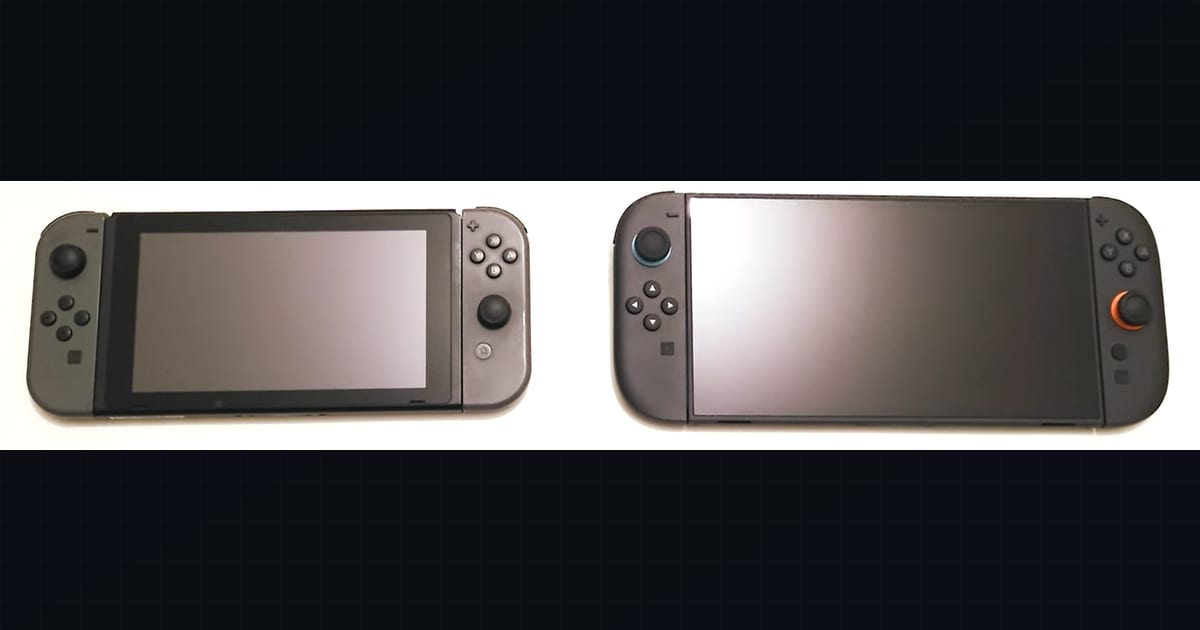
The Switch 2 runs at two distinct power profiles, and its onboard NVIDIA DLSS upscaling is the mechanism that lets docked 4K and handheld 60 FPS coexist on the same chip.
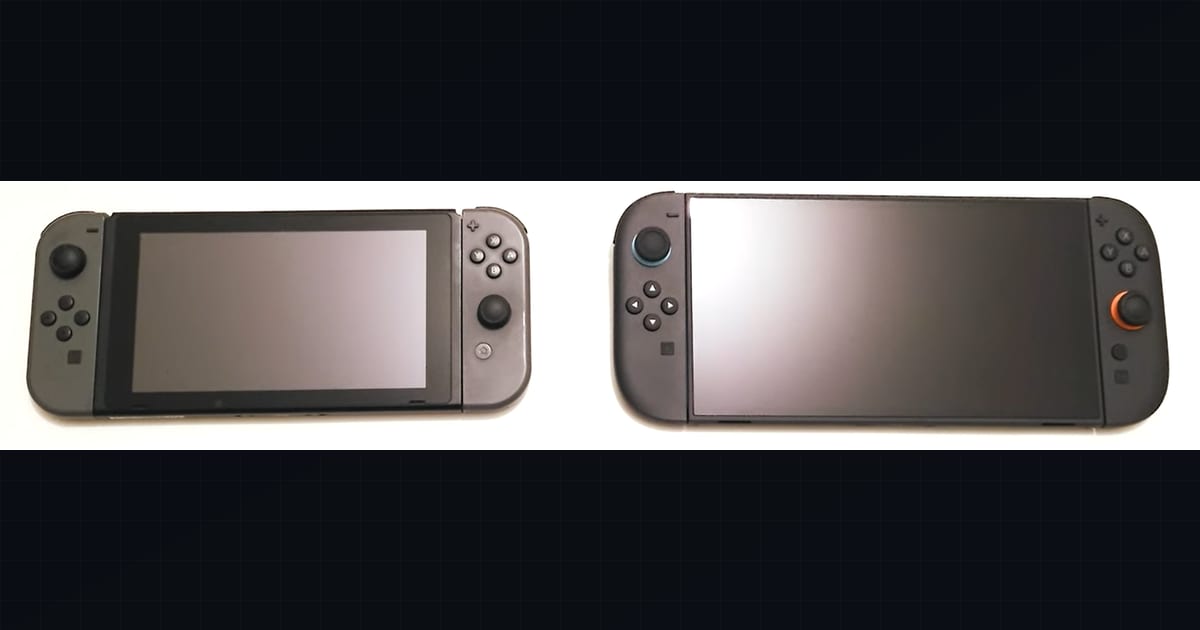
Nintendo Switch 2 launched with a thin native library, broad backward compatibility across the Switch catalog, and a first patch cycle that addressed Joy-Con 2 connectivity, display calibration, and select GameCube emulation fixes.
A head-to-head 1440p comparison of AMD's RX 9070 XT and NVIDIA's RTX 5070 across raw raster, ray tracing, and the narrowing FSR 4 vs DLSS 4 upscaling gap.
A benchmark-explainer mapping where 8GB, 12GB, and 16GB VRAM tiers exhaust headroom and begin stuttering at 1440p and 4K across modern game workloads.
At identical $549 pricing, AMD's RX 9070 (RDNA 4) outperforms NVIDIA's RTX 5070 (Blackwell) by ~13% at 1440p across 23 games, with 16GB vs 12GB VRAM. But NVIDIA's DLSS 4 Multi-Frame Generation and superior ray tracing keep the 5070 competitive for specific workloads.
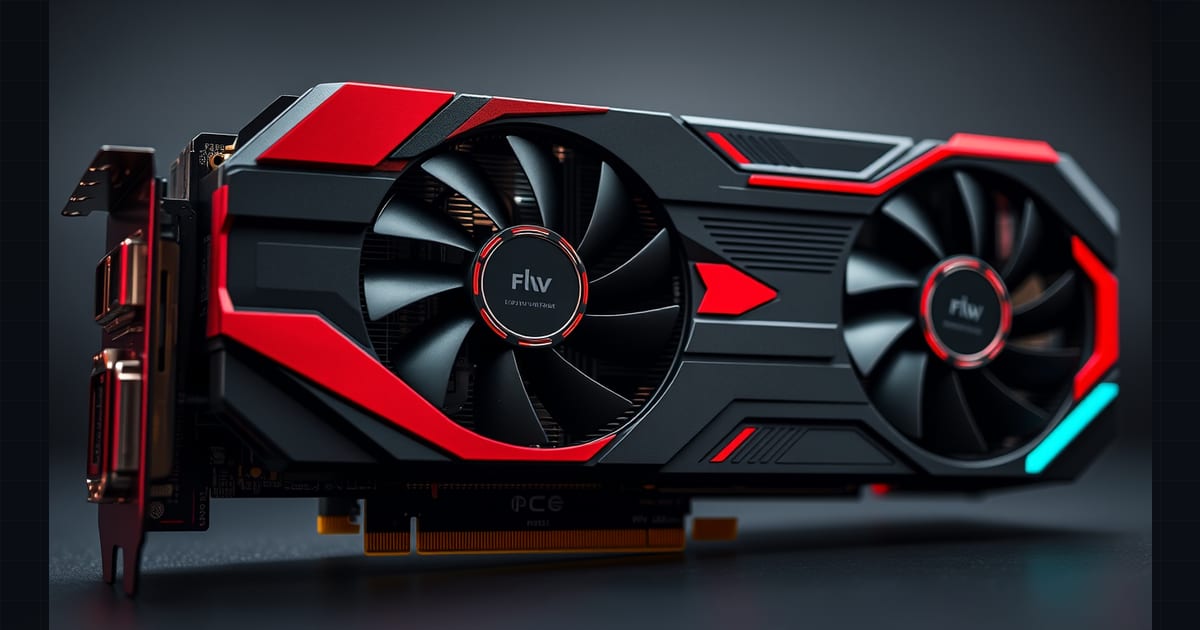
AMD's RDNA 4 architecture delivers a genuine ray-tracing competitor with the RX 9070 ($549) and 9070 XT ($599). Improved RT performance, 16GB VRAM, and the ML-based FSR 4 upscaler close the gap with NVIDIA at a lower price.
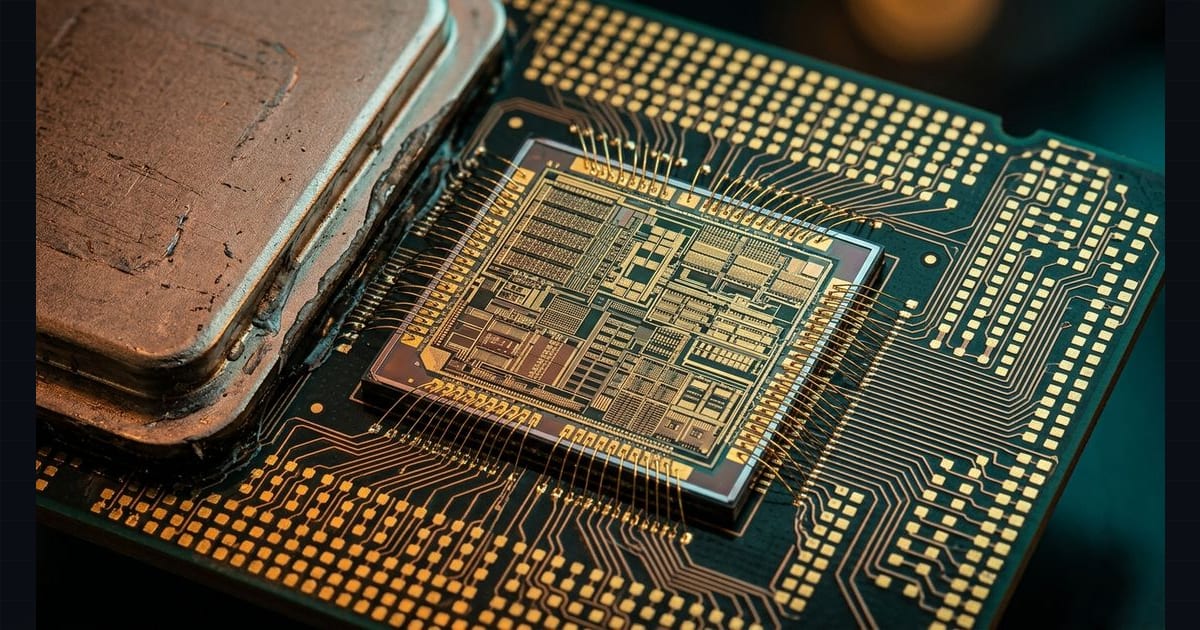
Comprehensive benchmark breakdown of flagship gaming CPUs, evaluating AMD's 3D V-Cache architecture against Intel's Core Ultra architecture for frametime stability in CPU-bound RTS, MMO, and RPG titles.
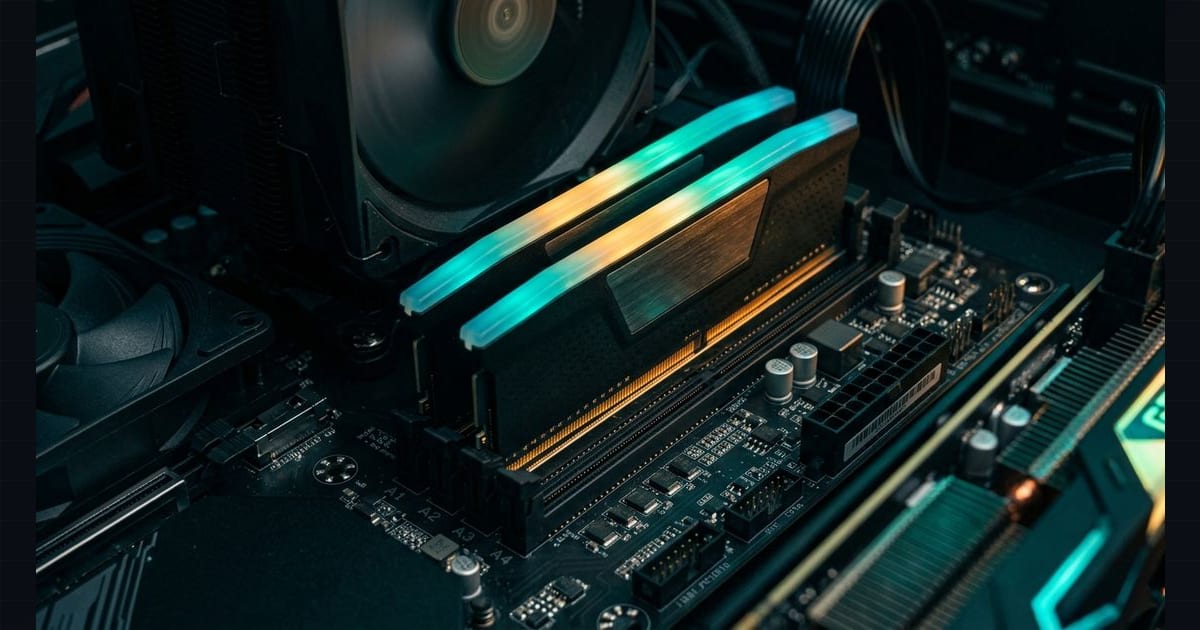
ChangXin Memory Technologies (CXMT) accelerates DDR5 volume production, driving down consumer memory costs while ushering in DDR5-8000+ speeds and CUDIMM/CAMM2 form factors for gaming PCs.
Technical breakdown of GDDR7 memory speeds, 16GB VRAM minimum requirements for 1440p ray tracing, and PCIe 5.0 bus bandwidth in 2026 graphics cards.
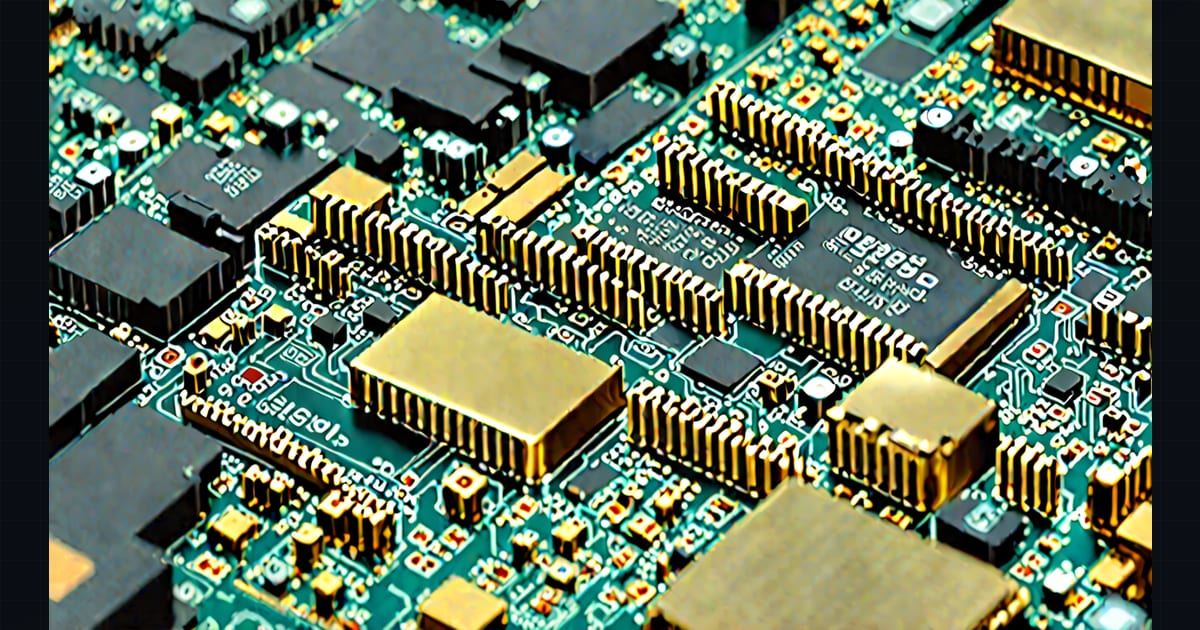
Technical benchmarks evaluating PCIe 5.0 NVMe sequential read speeds (14,000 MB/s), GPU asset decompression, and DirectStorage 1.2 frame pacing.
Panther Lake is a codename for Core Ultra Series 3 mobile processors developed by Intel.
Nova Lake is a codename for Core Ultra Series 4 desktop and mobile processors developed by Intel.
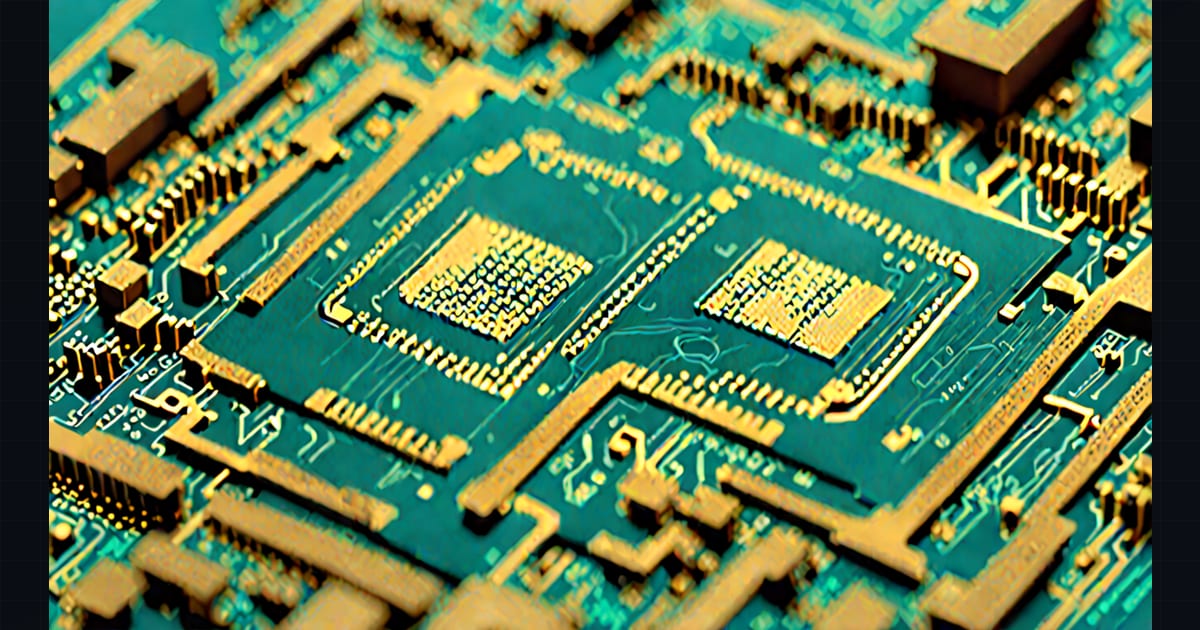
Zen 5 is a ground-up redesign of Zen 4 with a wider front-end, increased floating-point throughput, and more-accurate branch prediction, fabricated on TSMC's N4X process for desktop and server CCDs.
GeForce RTX 50 series is based on Nvidia's Blackwell architecture with fourth-generation RT cores and fifth-generation Tensor Cores

The fourth and latest iteration of RDNA was unveiled on January 6, 2025, at CES.

A PlayStation 5 Pro model was released on November 7, 2024, featuring a faster GPU, improved ray tracing, and AI-driven upscaling technology.

Arrow Lake is the codename for Intel Core Ultra Series 2 processors, released on October 24, 2024, using a disaggregated MCM design fabricated on TSMC nodes.
Zen 6 (codenamed 'Morpheus') is AMD's upcoming CPU microarchitecture succeeding Zen 5.