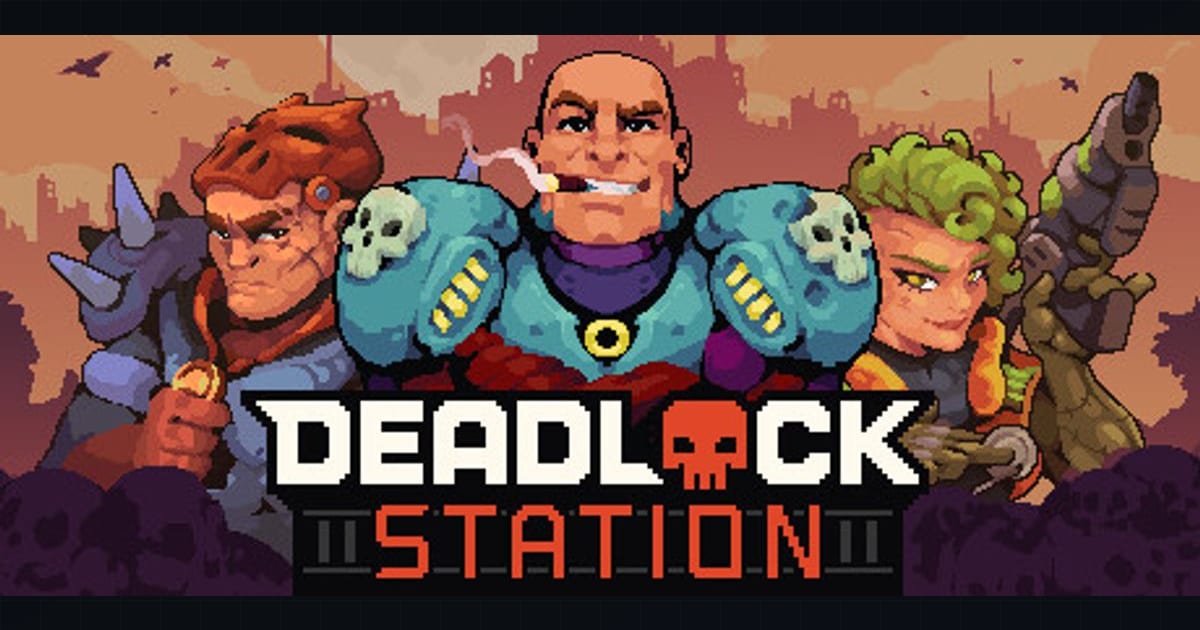
In Deadlock Station, the battlefield itself becomes your most lethal weapon. This tactical roguelike from three-person indie team Luxorix Games flips the conventional squad-based combat formula by embracing indirect control—your units move and act autonomously once battle begins, meaning victory hinges entirely on the decisions you make before the first shot is fired.
Released on August 19, 2026, for $9.99 on Steam, Deadlock Station has earned positive reviews from early players who appreciate its puzzle-like approach to tactical combat. The game distinguishes itself through a system where terrain manipulation, trap placement, and squad composition matter more than reflexive micromanagement.
What Makes Deadlock Station Different
The core innovation lies in the indirect control system. Unlike traditional tactics games where you command every unit’s movement and attack each turn, Deadlock Station operates more like an autobattler with strategic depth. Once you press the battle button, your three-person squad executes their roles automatically based on their programming, equipment, and the battlefield conditions you established.
This design choice might initially frustrate players accustomed to moment-to-moment control, but it transforms combat into a planning puzzle. The outcome of each engagement is largely determined by your pre-battle setup: where you positioned your units, what terrain advantages you secured, and which environmental hazards you activated.
The game features ten distinct characters, each with unique abilities and roles. You start with three heroes—Volcano, Bastion (the tank), and Viper (the ranged specialist)—then unlock the remaining seven through progression. Each character can be equipped with modules installed at the Train Factory, implants found during runs, and artifacts that provide battlefield-wide effects.
The Positioning Meta Game
Success in Deadlock Station requires thinking several steps ahead. Before each battle, you receive intelligence about the terrain layout, enemy types, and interactive objects available. This information becomes the foundation for your tactical approach.
The optimal strategy involves creating layered defensive positions. Place armored units like Bastion at choke points where enemies must pass, positioning them to maximize their shield coverage. Ranged specialists like Viper belong on elevated ground or behind cover where they can maintain line of sight without exposure. The game’s terrain system directly impacts combat effectiveness—high ground provides accuracy bonuses, forests offer concealment, and urban ruins create natural funnels.
Environmental traps serve as force multipliers. Spike walls can be constructed to channel enemies into kill zones. Land mines placed at common approach routes whittle down opponent numbers before they reach your lines. The most effective commanders learn to bait enemies into these hazards rather than engaging them directly.
Energy management adds another strategic layer. All abilities draw from a shared energy pool, forcing meaningful choices about which powers to activate. Many abilities reshape the battlefield rather than dealing direct damage—flooding sections with water or acid, repositioning units, or altering terrain properties. This shared resource constraint prevents ability spam and makes each activation meaningful.
Squad Composition and Synergy
Building an effective three-person squad requires understanding role complementarity. The ten available heroes include:
Tanks like Bastion and Mastodon absorb damage and hold front lines. Their slow movement and heavy armor make them ideal for anchoring defensive positions.
Ranged specialists including Viper, Ballistix, and Valkira excel at distance combat but require protection. Position them behind your tanks with clear sightlines to approach vectors.
Mobile disruptors such as Razor, Phantom, and Hexa can reposition quickly, flank enemies, or trigger traps. Their fragility demands careful placement to avoid early elimination.
Support characters like Magnus provide utility through shields, healing, or battlefield control effects.
Volcano rounds out the roster as a starting hero with his own distinct role.
The Laboratory system offers unprecedented control over randomness. Instead of hoping for useful implants to drop during a run, you curate which implant types can appear by activating or deactivating them before deployment. This deckbuilding approach to roguelite loot means skilled players can narrow the probability pool until desired synergies become likely.
Terrain as a Weapon
Deadlock Station’s environmental systems reward creative battlefield manipulation. The game features multiple biome types with unique interactive elements:
Urban-style maps offer destructible cover and multiple elevation levels. Destroying buildings can create new sightlines or block enemy approaches. The verticality allows ranged units to dominate from rooftops while ground troops control street-level chokepoints.
Industrial areas feature conveyor belts, automated defenses, and hazardous materials. Smart commanders redirect conveyor paths to move enemies into traps or activate dormant security systems to fight alongside them.
Natural environments provide forests for concealment, rivers that limit movement to crossing points, and elevated positions that grant accuracy bonuses. Water hazards can be electrified or flooded to create area denial zones.
Aliken-infested zones contain organic hazards like acid pools, spore clouds, and living terrain that responds to combat. These environments demand adaptation since standard positioning strategies may fail against enemies that can move through or manipulate the terrain itself.
The pause function serves as your primary in-battle intervention tool. When activated, time freezes and enemy paths become visible, showing their intended movements for the next few seconds. This preview allows you to identify vulnerabilities in your setup and spend energy on abilities that disrupt enemy plans before they execute.
Meta-Progression and Base Development
Every successful expedition returns resources to the Station, your central hub. These resources fund permanent upgrades that persist across runs, gradually expanding your strategic options.
The Main Server, operated by the mysterious Professor, unlocks new factionfaction. An in-game group or nation players can align with or fight against, with its own goals and reputation system. interactions and technology trees. Building relationships with factions like the ruthless Order or the all-knowing PFS provides access to unique equipment and quest rewards.
The Train Factory installs modules that grant additional combat abilities. These modules often come with trade-offs—a weapon enhancement might reduce defensive capabilities, requiring careful loadout balancing.
The Laboratory manages your implant pool. By choosing which implants can appear during runs, you effectively build a custom loot table. This system addresses the classic roguelite frustration of runs being ruined by unlucky drops.
Sulfur ore drilled from the battlefield funds permanent Station upgrades, while aether currency purchases in-run equipment and consumables. Managing both economies simultaneously creates meaningful strategic decisions about resource allocation.
What It Means for Players
Deadlock Station appeals to a specific audience: players who enjoy solving tactical puzzles rather than executing mechanical skill checks. The indirect control system creates a unique cognitive load—you’re constantly thinking about probability, positioning, and contingency planning rather than reaction timing.
The learning curve is steep. Early runs feel punishingly difficult as you internalize the systems. Character abilities, enemy behaviors, and terrain interactions all require experimentation to understand fully. However, this difficulty curve is intentional and well-designed. Every positive player review emphasizes that the game “gets much better once you understand it.”
Progression feels meaningful because failure advances you geographically rather than resetting completely. When a run ends, your next expedition starts from the last boss you defeated. This transforms the four biomes into chapters rather than increasingly tedious commutes—a design choice that respects player time while maintaining challenge.
The approximate twenty-hour playthrough has drawn mild criticism from players who wished for more content, but at $9.99, the value proposition remains strong. The combination of ten heroes, four biomes, faction reputation systems, telegraphed loot rewards, and deep meta-progression creates a package that competes with games costing five times as much.