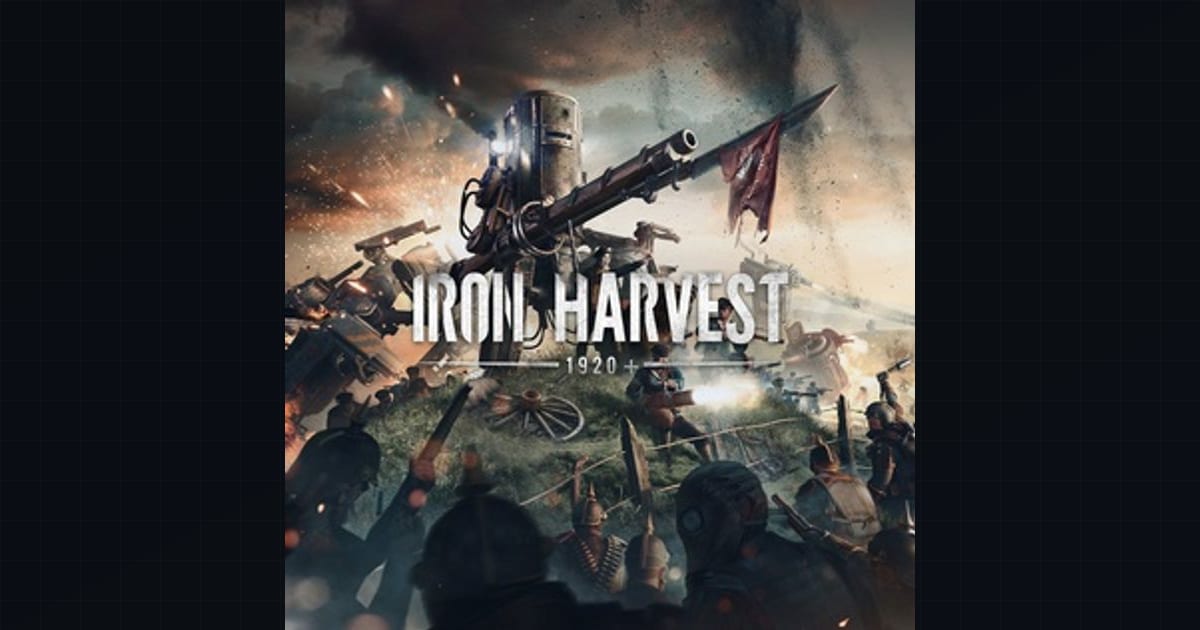
Iron Harvest is a dieselpunk real-time strategy game built around three asymmetric factions — Polania, Saxony, and Rusviet — each with distinct mechs, infantry, and economic rhythms. Since release, KING Art Games has shipped regular change logs that rebalance units, tweak the suppression system, and adjust the cost curve between infantry and mechs. The cumulative effect of these patches has shifted how the three factions play and which unit compositions dominate in skirmish and ranked multiplayer. This guide walks through the factionfaction. An in-game group or nation players can align with or fight against, with its own goals and reputation system. asymmetry and how the most significant balance passes changed the meta.
The three factions at a glance
Iron Harvest’s asymmetry is not cosmetic. Each faction fields a unique roster of mechs and heroes, and their economic structures differ in cost and role. The official patch notes repeatedly adjust factions separately, which confirms that the three are tuned independently rather than against a shared template.
Polania is the mobility and precision faction. Its roster includes scouts, sniper-style heroes like Anna Kos, and lighter mechs such as the Strażnik (Spider Mech) and Śmiały (Scout Mech). Saxony is the disciplined, ranged faction with heavy machine gun emphasis and units like the Wotan. Rusviet is the brute-force faction, leaning on high-health mechs and aggressive heroes like Gunter von Duisburg, with units such as the Kolokol (Bomber Mech) and Nakovalnya (Rocket Artillery).
Heroes anchor each faction’s identity. Anna Kos, Olga Morozova, and Gunter von Duisburg each have veterancy-based power scaling and signature abilities that patch notes have repeatedly tuned — for example, Anna’s piercing shot, Gunter’s Iron Fist, and Wojtek’s allied healing while Anna is in cover.
How suppression defines the infantry game
Suppression is the central infantry mechanic, and it received a major rework in Change Log #20. The patch made suppression “more intuitive and clearer,” reducing suppression values on many units that were not primary suppression sources while increasing suppression values on Heavy Machine Guns. A suppression icon now appears on units’ overhead UI and portraits, making the state legible during fights.
This rework matters because it sharpens role identity. Suppression is no longer spread thinly across many units; it is concentrated where it belongs — on dedicated machine gun platforms. That change pushes players toward deliberate suppression setups (machine gunners pinning enemy infantry) rather than incidental suppression from any rifle squad. For Saxony, which leans on ranged firepower, the clearer suppression model rewards positioning. For Rusviet, whose aggressive pushes rely on closing distance, a well-placed machine gun is now a more reliable counter.
The economy shift: workshops down, barracks up
The single most meta-defining change in Change Log #20 was the rebalancing of the transition from infantry to mechs. The developers observed that light, tier-1 mechs were “often skipped out on and also buried under a flood of infantry.” Their response cut workshop costs and raised advanced barracks upgrade costs, while buffing tier-1 mechs to help players transition into the later stages of the game.
The specific numbers tell the story. Advanced Barracks costs rose for all three factions: Polania from 180 to 340 iron and 85 to 100 oil, and Saxony and Rusviet from 180 to 380 iron and 85 to 120 oil. Workshop costs fell across the board: Polania from 400 to 250 iron and 120 to 100 oil, Saxony from 450 to 250 iron and 150 to 130 oil, and Rusviet from 500 to 300 iron and 165 to 140 oil.
The intent is clear. Infantry-heavy openings were dominant because tier-1 mechs were too expensive relative to their impact. By making mechs cheaper to access and infantry upgrades costlier, the patch nudges players toward committing to a workshop earlier and building the mixed mech-infantry armies the faction rosters are designed around.
How each faction’s mechs changed
The patch buffed tier-1 mechs for each faction, but with different emphases that reinforce faction identity.
Polania’s mechs gained durability and anti-armor punch. The Strażnik (Spider Mech) went from 550 to 600 HP. The Śmiały (Scout Mech) climbed from 750 to 850 HP, with increased damage versus medium armor (60 to 70), heavy armor (35 to 50), and structures (30 to 35), plus an oil cost reduction from 120 to 110. The Grimbart (Gatling Mech) rose from 1000 to 1100 HP with an oil cost cut from 90 to 80.
Saxony’s Wotan (an eight-legged mech) gained HP from 600 to 700, compensating for the overall tier-1 mech buffs so it stays relevant. The patch also adjusted Victor Popov, reducing his veterancy gains and damage across armor types (from 40 to 30 versus unarmored, light, medium, and heavy) and versus structures (25 to 20). Popov’s high area-of-effect damage had made him gain veterancy too quickly; the changes make him more reliant on abilities and easier to counter at high veterancy.
Rusviet’s brute-force mechs leaned into damage. The Ognivo (Flamer Mech) went from 700 to 750 HP. The Kolokol (Bomber Mech) rose from 800 to 900 HP with damage increases versus medium armor (55 to 65) and heavy armor (35 to 50). The Groza (Rocket Exosuit) got an oil cost reduction from 100 to 80 to bring it in line with other tier-1 mechs.
Two Rusviet units were tuned down. The Nakovalnya (Rocket Artillery) had its Sentry Mode damage reduced versus light, medium, and heavy armor (80 to 60) and versus structures (50 to 40), because its Sentry Mode was too punishing when opponents did not immediately realize they had entered its range. The Nagan (Revolver Mech) had damage reduced versus light armor (65 to 60) and medium and heavy armor (45 to 40) because it was prevailing in too many matchups.
Infantry, heroes, and counterplay
Beyond mechs, the patches touched infantry and heroes. The Mortar Weapon System received a clearer role as a high threat to infantry: damage versus unarmored rose from 65 to 70, but damage versus light armor dropped from 100 to 50 and versus medium and heavy armor from 100 to 40. This makes mortars an anti-infantry tool rather than a generalist, which sharpens the counterplay between infantry swarms and mech pushes.
Lech Kos, the rebel leader, was reined in. His damage to structures dropped from 80 to 60, and the HP thresholds that trigger his passive ability changed: state 1 now requires 60% HP (was 90%) and state 2 requires 20% HP (was 50%). These changes force more thought into how he is deployed, since his damage escalation no longer triggers as early.
Engineers gained a key counterplay tool in an earlier patch: they can now deconstruct barbed wire, addressing community feedback about narrow-bridge wire spam. Barbed wire iron cost rose from 5 to 15 to match the effort of dismantling it, and neutral mortars were added to contested maps to give players a way to clear wire without dedicated units.
What the meta shift means for players
The cumulative effect of these patches is a meta that rewards mixed armies over infantry floods. Before the rebalance, the dominant opening was to mass upgraded infantry and skip tier-1 mechs entirely. After the rebalance, the cheaper workshops and buffed light mechs make an early mech commitment viable, and the costlier advanced barracks upgrades discourage over-investing in infantry.
Each faction now has a clearer power curve. Polania’s buffed scouts and gatling mechs reward aggressive, mobile play with a stronger mid-game spike. Saxony’s clearer suppression model and the tuned-down Popov push it toward disciplined machine-gun positioning rather than hero carry. Rusviet’s buffed bomber and rocket mechs keep its brute-force identity, but the toned-down artillery and revolver mechs remove the auto-pick units that had compressed its decision space.
For new players, the practical takeaway is to build the workshop earlier than older guides suggest and treat tier-1 mechs as a real transition rather than a speed bump. For ranked players, the suppression rework means reading the suppression icon on enemy units is now decisive — a suppressed unit is a free target, and placing machine guns to suppress before charging mechs in is the new rhythm of combined-arms fights.