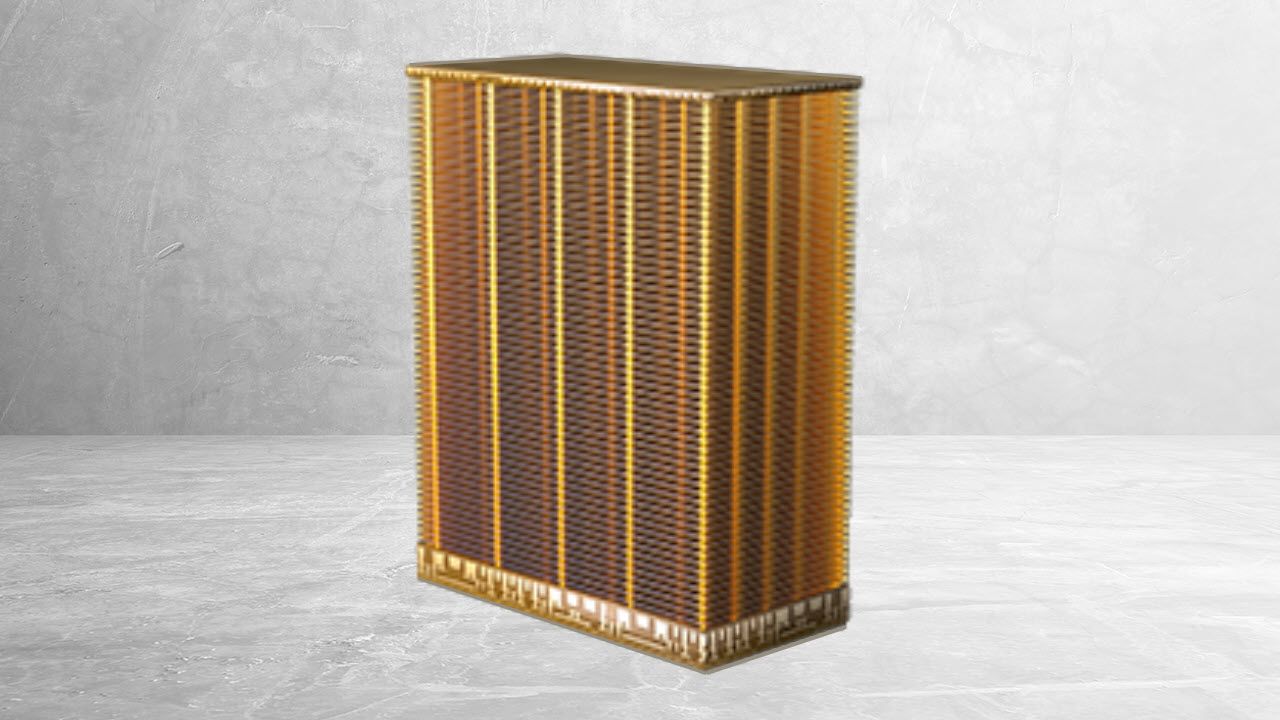
Micron has outlined its next-generation 3D NAND, G11, with three claims attached: double the bit density, a 50% increase in I/O performance over the company’s current NAND, and lower power consumption. Mass production is scheduled for the second half of 2027.
What changed: Micron detailed G11 3D NAND, promising double density, 50% higher I/O performance and lower power, with production in 2H 2027. Why it matters: Density and interface speed together decide how much storage a drive can offer at a given price, and how fast it can move data. Who should care: Anyone planning a storage purchase for a 2027-2028 build rather than buying now.
The three claims
| Metric | G11 target | Comparison |
|---|---|---|
| Bit density | Double | Versus Micron’s current-generation NAND |
| I/O performance | +50% | Versus current-generation NAND |
| Power | Lower | Stated as an advantage, no figure given |
| Layer count | Over 400 | Above the current generation |
| Mass production | 2H 2027 | Micron roadmap |
The layer count is where the density comes from. Stacking more cells in the same area is the standard route to higher density in 3D NAND, and passing 400 layers continues a climb that has driven SSD capacity per dollar for several generations.
The bonding change
To hit those numbers, Micron says it will adopt wafer-on-wafer bonding — an approach associated with YMTC rather than with the major NAND makers. Bonding two wafers lets the memory array and the logic circuitry be fabricated on separate processes and then joined, instead of building both on one wafer. That frees each side to use the process that suits it, and it is the structural change behind the density target rather than a simple layer-count increase.
Micron also says it is developing new materials and denser cell architectures to extend scaling beyond G11, which is the more interesting line for planning. A roadmap that already names the generation after the next one implies the company does not see the layer-count approach running out at 400.
What this means for gamers
The practical effect lands in 2027 and 2028, not now. Higher density means larger drives at the same price point, and a 50% I/O uplift matters for load times and for DirectStorage-style streaming — both of which are bound by how quickly the drive can feed the rest of the system. Lower power matters most in handhelds, where storage draw competes with the APU for a fixed thermal budget.
The caveat is that density and endurance trade against each other, and Micron has not published endurance figures for G11.
Forward look
G11 enters mass production in the second half of 2027, which puts retail drives in 2028. Between now and then, the number to watch is endurance per cell at the higher layer count — that, not density, decides whether G11 lands in gaming drives or is reserved for read-heavy workloads.