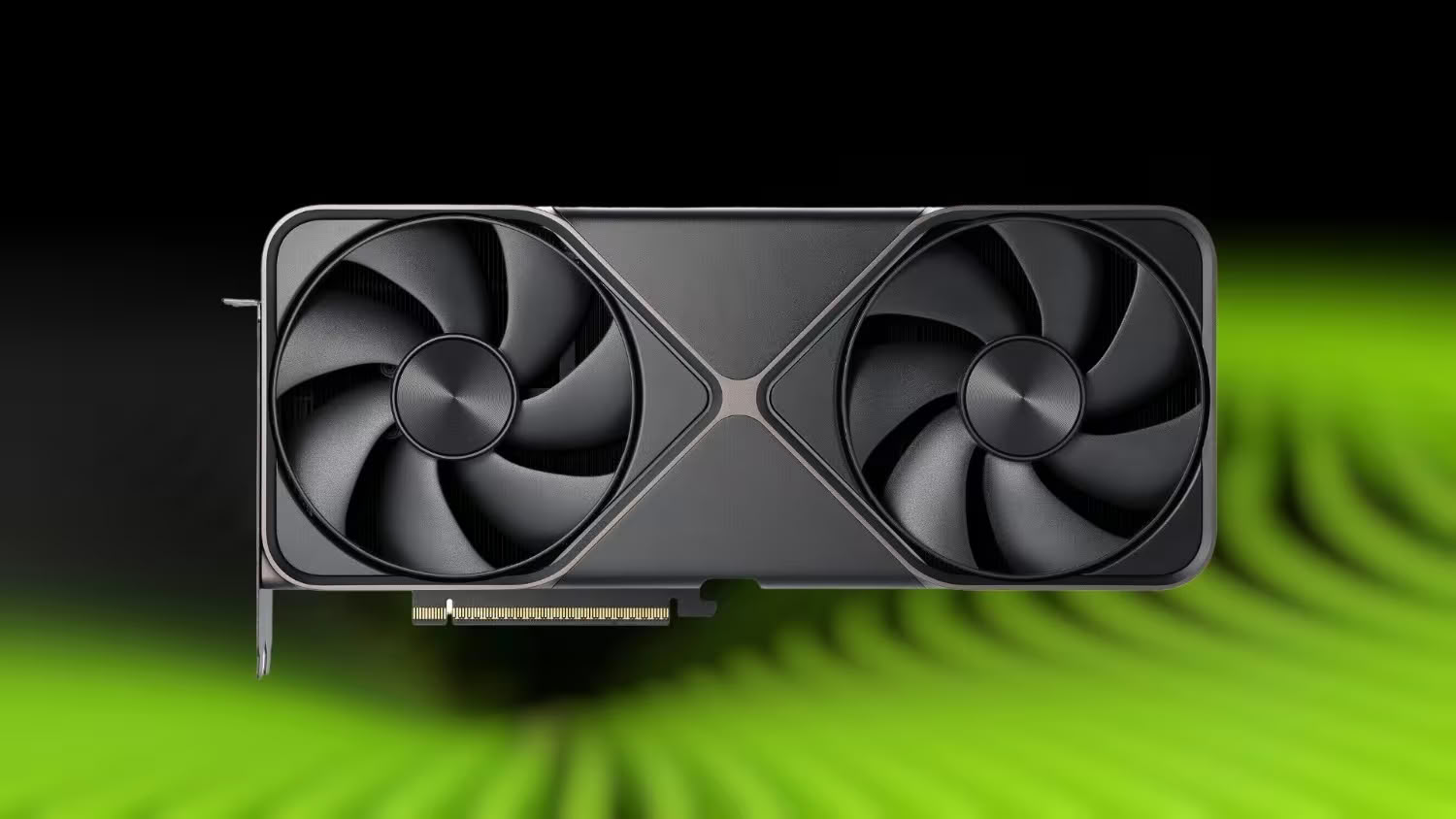
Wholesale prices for the RTX 5080 16GB in China have climbed by roughly 2,000 yuan — about $300 — in a single move, according to Board Channels, with the RTX 5070 Ti rising alongside it. Both cards carry 16GB of GDDR7.
What changed: RTX 5080 16GB wholesale pricing in China moved from roughly 12,700-13,500 yuan to 14,500-15,000 yuan; the RTX 5070 Ti rose about $100. Why it matters: Board partners are adjusting prices upward on the same memory configuration, which points at supply rather than at a single vendor’s margin call. Who should care: Anyone planning a 16GB Nvidia purchase in the next quarter, and anyone waiting for a price drop before upgrading.
The numbers
| Card | Previous wholesale (yuan) | Now (yuan) | Approx. change |
|---|---|---|---|
| RTX 5080 16GB | 12,700-13,500 (~$1,900-2,020) | 14,500-15,000 (~$2,170-2,240) | About +2,000 yuan (~$300) |
| RTX 5070 Ti 16GB | 9,000-9,150 (~$1,350-1,370) | 9,650-9,850 (~$1,440-1,470) | About +$100 |
Board Channels attributes the 5080 move to tighter upstream supply and to the reported discontinuation of the 16GB model. A leaker has claimed Nvidia set January discontinuation dates for the card; Nvidia has not confirmed that.
Why the two cards move together
The 5080 and 5070 Ti share a memory configuration — 16GB of GDDR7 — and that is the link worth watching. When two different tiers with the same memory load both rise, the common input is more likely memory supply or allocation than demand for either specific GPUGPU. Graphics Processing Unit — the chip that renders the game's visuals; the main driver of framerate and image quality.. Partner pricing has followed: ASUS and Gigabyte are reported to have adjusted their own listings.
Discontinuation rumours and price increases reinforce each other in a wholesale channel. If buyers believe a 16GB model is going away, they pull stock forward, which tightens supply and justifies the higher price before any formal end-of-life notice exists.
What this does not tell us
This is Chinese wholesale data, not retail pricing elsewhere, and the two markets do not move in lockstep. It also does not establish that a discontinuation is happening — only that the channel is pricing as if it might. Nvidia has said nothing publicly.
What to do with it
If you are shopping for a 16GB card in this tier, the practical read is that waiting for a drop is a bet against a supply story that currently points the other way. If you already own one, the resale value of a card being rumoured out of production tends to hold firmer than the model it replaces.
Forward look
The next signal is an official end-of-life notice, or its absence, around the reported January dates. Until Nvidia confirms anything, treat the price move as channel behaviour: real, measurable, and reversible if supply loosens.