What Is Soulframe’s Progression System?
Soulframe approaches character progression differently from its sci-fi sibling Warframe. Instead of collecting hundreds of frames with fixed ability kits, players create a single Envoy and customize their playstyle through two interconnected systems: Pacts (magic-focused abilities attached to your arm) and weapon grips (melee and ranged combat styles). This design emphasizes player choice and build flexibility over collection-based progression.
Soulframe has been running its Preludes phase—a pre-alpha testing period—since late 2023. At TennoCon 2025, Digital Extremes showcased significant updates to combat fluidity, player social hubs, and asynchronous messaging through World Trees, and opened the doors wide: players who signed up for Soulframe Preludes by July 20, 2025 received instant access to explore these systems and provide feedback before full launch.
How the Pact System Works
Pacts serve as Soulframe’s primary magic system. Each Pact attaches to your Envoy’s arm and grants access to specific magical abilities. The starter Pacts already lean toward specific playstyles: one toward healing and support, another toward frontline damage, and a third toward stealth and precision.
During TennoCon 2025, the team highlighted plans for enhanced Pact synergies in cooperative play. The goal is to make different Pact combinations feel rewarding when playing with others, encouraging party composition diversity without mandating specific loadouts. This represents a shift from Warframe’s more solitary build optimization toward team-based synergy.
Three starter Pacts are available to new players, each tied to a different factionfaction. An in-game group or nation players can align with or fight against, with its own goals and reputation system. alignment chosen at character creation. Your virtue alignment (Courage, Spirit, or Grace) determines your starting Pact and weapon, then sends you on a quest to locate your faction’s enclave. This onboarding process was reworked in Preludes Update 12 to make it easier for players to discover new Fables, track progress in the journal, and unlock fast travel with Wevetseeds.
Weapon Grips and Combat Arts
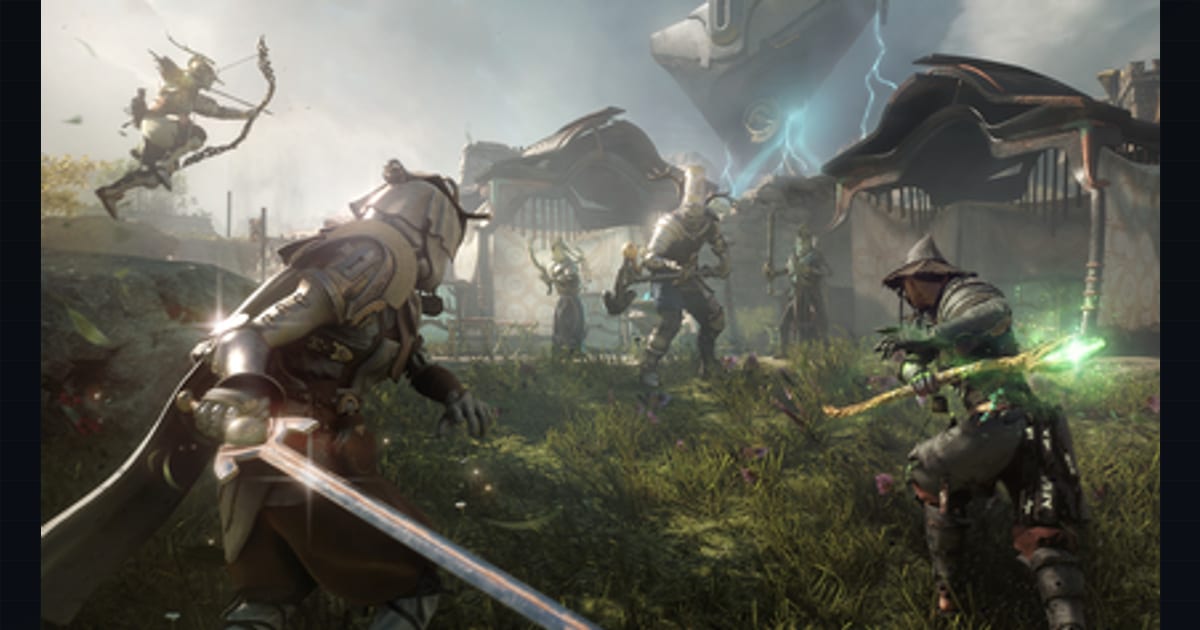
Soulframe’s combat progression draws inspiration from historical medieval martial arts manuals. The system allows players to mix and match offensive and defensive techniques to suit individual playstyle preferences. Viable build options range from close-range melee focused on creating space with dodges, to ranged damage that closes gaps with timed parries, to supportive roles and other combinations.
The Greatsword grip was introduced in Preludes 12, letting Envoys make the Ode “feel the full might” of the Envoy at close range. This joined existing grip types—long blades, polearms, shields, bows, daggers, and casting weapons—each offering distinct combat rhythms and tactical options. The development team has emphasized making each weapon grip feel distinct rather than reusing the same mechanics across types.
Combat Arts represent Soulframe’s equivalent to Warframe’s mod system, though with a key philosophical difference. Instead of stacking numerical bonuses, Combat Arts unlock specific techniques and maneuvers inspired by martial arts manuals. Introduced in late 2024, the system is expected to evolve toward the manual-style progression teased at TennoCon 2025, where a character would essentially record its own “training manual” as it specializes—making combat technique acquisition feel more organic and tied to character mastery rather than equipment slots.
Runes and Totems: Weapon Specialization
Beyond Combat Arts, Soulframe layers two more customization systems onto weapons. Runes are active abilities triggered by Smite—a critical hit that exposes an enemy’s soul—granting short-lived elemental buffs such as flame, voltaic, or arcanic damage. Totems are passive, animal-themed upgrades acquired by charming or rescuing the creatures of Midrath, slotted into Attack, Defense, and Utility positions. Together they replaced the earlier Idol system and offer a more flexible, creature-flavored approach to buildcrafting than Warframe’s modular mods, in keeping with Soulframe’s themes of nature and restoring the world from Ode corruption.
Faction Alignment and Starting Choices
At character creation, players choose which spirit or virtue they align with. Each virtue connects to a specific faction, though this relationship isn’t immediately clear to new players. The three current factions are:
Alca’s Children - Run by the Sprout Folk, this faction is noted for its charming aesthetic and nature-focused narrative.
Silent Rose - A more mysterious faction with a hidden tavern called the Drippin’ Flagon, featuring the song “Drippin’ Flagon” composed by Alan Doyle of the Newfoundland folk-rock band Great Big Sea. This faction appeals to players who prefer intrigue and hidden depths.
Kith of Kings - A champion-style faction inspired by the Fire King Fenn Jotar, encountered in the early Fable quest called The Torment Stag. This faction attracts players interested in martial prowess and heroic narratives.
Your faction choice determines your starter weapon and sends you on an immediate quest to locate your faction’s enclave. Faction tales then appear throughout the world as discoverable objectives on your map and compass. Each tale begins with a Messenger NPC waiting to start the quest, tying progression directly to exploration goals.
What the Preludes Starter Experience Covers
The Preludes pre-alpha build allows players to experiment with Soulframe’s core systems while the development team gathers feedback. The current starter experience includes:
New Player Onboarding - A significant rework makes it easier to discover new Fables, track journal progress, and unlock fast travel. Players can now try out all three starting Pacts early, rather than being locked into a single choice.
Faction Sparrow Tales - These quests have been iterated on repeatedly based on Preludes player feedback, including rebalanced XP rewards and clearer length variety. Tales are broken into different path lengths—single-task, short, and long—allowing players to adapt their experience based on available time.
Combat Progression - The TennoCon 2025 demo showcased Magick-focused combat against the Wazzard of Wastes mini-boss, featuring a fresh parry mechanic capable of reflecting projectiles back at the attacker. This demonstrated the game’s approach to accessible combat that still offers depth for hardcore players seeking mastery through martial arts manuals.
Character Customization - Eight different hairstyle cosmetics entered production, with additional customizations planned. The team emphasized that visual customization will continue expanding as development progresses.
Social Hubs and World Trees - New features for player social hubs and asynchronous messaging through World Trees were highlighted as major additions since the previous TennoCon. These systems aim to build community without requiring simultaneous online presence.
How Soulframe Differs from Warframe
The development team has been clear that Soulframe is “not just Warframe with swords.” While both games share technical infrastructure and some development philosophies, they target different player experiences:
Pacing - Warframe emphasizes speed: finishing missions in seconds, moving at high velocity, and optimizing for efficiency. Soulframe slows things down, encouraging players to notice beautiful environments, make meaningful choices, and engage with rescue mechanics and animal companions.
Progression Philosophy - Warframe’s twelve-year evolution has created a complex mod-stacking system with extensive mathematical optimization. Soulframe intentionally keeps core systems simple enough that players can understand numbers and interactions without mental math. This tabletop-inspired design philosophy prioritizes clarity over complexity.
World Design - Soulframe focuses on overworld exploration with a sense of romanticism conveyed through art and sound design. The Neath’uns underground tileset, showcased at TennoCon 2025, demonstrates environmental storytelling through corrupted Sproutfolk and puzzles hindering rehabilitation of the mutated three-headed boss Bromius.
Narrative Tone - While both games tell human-feeling stories through non-human characters, Soulframe emphasizes themes of nature, redemption, and hope. The game aspires to feel like an escape from the real world, offering players a sense of healing the world that parallels healing themselves through recalled memories.
Combat Weight - Soulframe’s melee system involved rebuilding the animation system so that sword swings connect with proper sound, impact, and AI reaction, where Warframe’s melee happens quickly with impacts that don’t register as hard. Character and enemy feet plant firmly in the world to create a grounded, connected feeling during combat.
What’s Confirmed vs. Upcoming
Confirmed Systems:
- Pact-based magic progression with faction ties
- Weapon grip system with Combat Arts
- Runes (active Smite-triggered elemental buffs) and Totems (passive animal-themed upgrades)
- Faction alignment affecting starter equipment and quest availability
- Sparrow Tales with reworked XP and length variety
- Character customization including hairstyles
- Social hubs and World Tree messaging
In Development:
- Full Pact synergies for cooperative play
- Combat Arts manual-style overhaul
- Additional weapon grips beyond Greatsword
- Expanded character customization options
- Complete faction tale integration with exploration
Not Yet Detailed:
- Endgame progression systems
- Full roster of Pacts and their specific abilities
- Complete Combat Arts catalog
- Maximum character power ceilings
- Competitive or ranked play options
Build Path for New Players
Based on developer guidance and Preludes player feedback, new Envoys should:
-
Choose Your Virtue Carefully - Your starting alignment determines your faction, starter weapon, and initial quest direction. Take time to understand each faction’s themes before committing.
-
Experiment with All Three Starter Pacts - The Update 12 onboarding rework lets you try each starting Pact before specializing. Use this opportunity to understand different magical playstyles.
-
Prioritize Sparrow Tales - These faction quests were reworked specifically to provide satisfying progression. They offer structured goals while teaching exploration and combat mechanics.
-
Unlock Fast Travel Early - Wevetseeds provide crucial mobility for returning to completed areas and accessing new tales efficiently.
-
Engage with the Preludes Community - Digital Extremes actively incorporates Preludes player feedback into design decisions. The faction XP rework demonstrates how community input directly shapes development priorities.
What This Means for MMOMMO. Massively Multiplayer Online — a game that hosts very large numbers of players together in one shared, persistent world. Character Progression
Soulframe’s approach represents a notable shift in free-to-play MMO design philosophy. By emphasizing a single-character journey with deep customization rather than collection-based progression, Digital Extremes is testing whether players prefer mastery over acquisition.
The Pact-and-grip system offers meaningful build diversity without requiring hundreds of distinct character frames. This reduces pressure on players to “collect them all” while maintaining build variety through system interactions rather than discrete units.
The Preludes model—essentially extended early access with structured feedback loops—demonstrates a commitment to community-driven development. Digital Extremes learned significant lessons from Warframe’s twelve-year evolution and is applying those insights to avoid similar hiccups in Soulframe’s ecosystem.
For players invested in Warframe’s complex systems, Soulframe offers a complementary experience that scratches a different part of the brain. The slower pace, grounded combat, and emphasis on nature and redemption provide contrast without abandoning the core action-RPGRPG. Role-Playing Game — a game built around character progression, story, and player choices. mechanics that made Warframe successful.