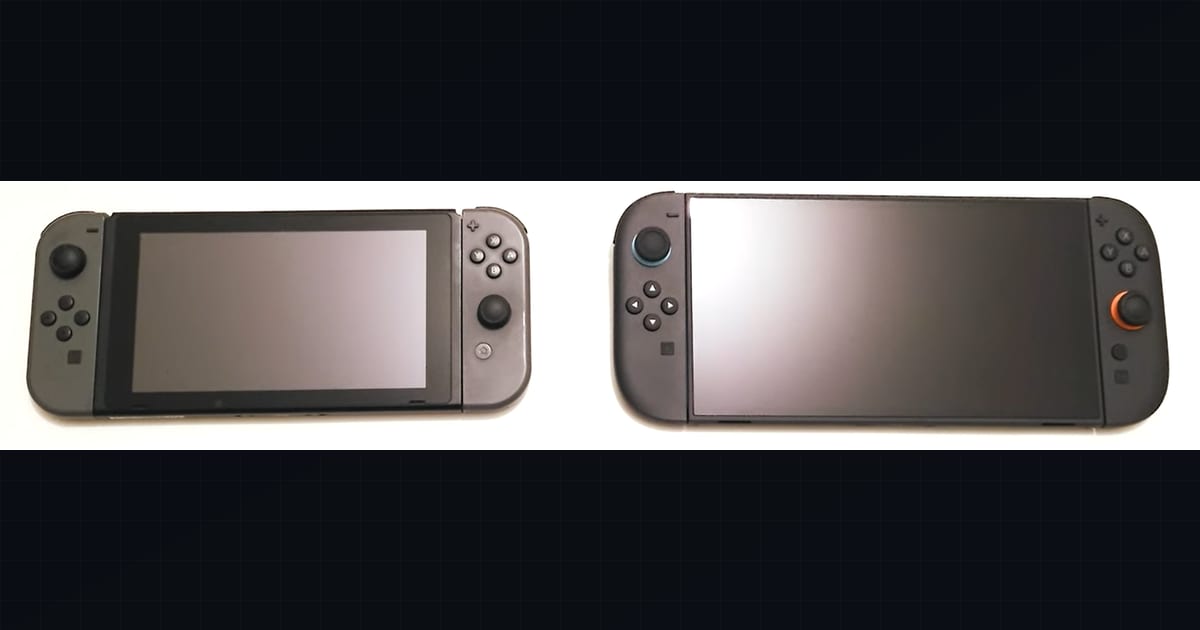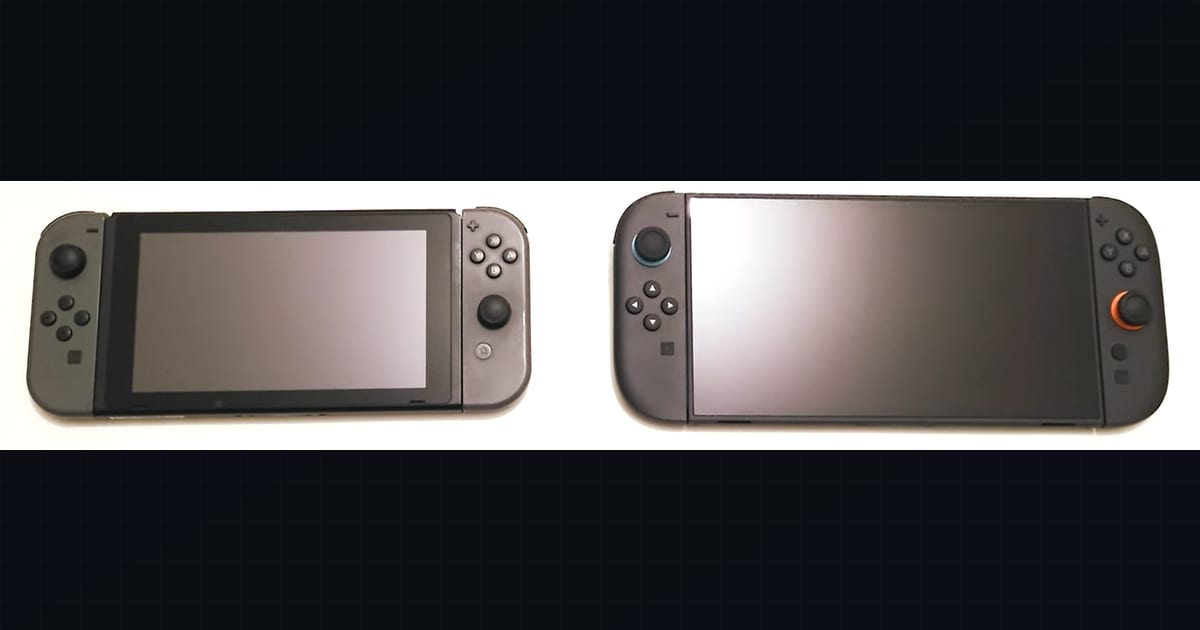
Nintendo Switch 2 Docked vs Handheld Performance
The Switch 2 runs at two distinct power profiles, and its onboard NVIDIA DLSS upscaling is the mechanism that lets docked 4K and handheld 60 FPS coexist on the same chip.
Page 5 of 6 for HARDWARE coverage.
SHOWING 49-60 OF 66 HARDWARE ENTRIES
The Switch 2 runs at two distinct power profiles, and its onboard NVIDIA DLSS upscaling is the mechanism that lets docked 4K and handheld 60 FPS coexist on the same chip.
Nintendo Switch 2 launched with a thin native library, broad backward compatibility across the Switch catalog, and a first patch cycle that addressed Joy-Con 2 connectivity, display calibration, and select GameCube emulation fixes.
A head-to-head 1440p comparison of AMD's RX 9070 XT and NVIDIA's RTX 5070 across raw raster, ray tracing, and the narrowing FSR 4 vs DLSS 4 upscaling gap.
A benchmark-explainer mapping where 8GB, 12GB, and 16GB VRAM tiers exhaust headroom and begin stuttering at 1440p and 4K across modern game workloads.
At identical $549 pricing, AMD's RX 9070 (RDNA 4) outperforms NVIDIA's RTX 5070 (Blackwell) by ~13% at 1440p across 23 games, with 16GB vs 12GB VRAM. But NVIDIA's DLSS 4 Multi-Frame Generation and superior ray tracing keep the 5070 competitive for specific workloads.
AMD's RDNA 4 architecture delivers a genuine ray-tracing competitor with the RX 9070 ($549) and 9070 XT ($599). Improved RT performance, 16GB VRAM, and the ML-based FSR 4 upscaler close the gap with NVIDIA at a lower price.
Comprehensive benchmark breakdown of flagship gaming CPUs, evaluating AMD's 3D V-Cache architecture against Intel's Core Ultra architecture for frametime stability in CPU-bound RTS, MMO, and RPG titles.
ChangXin Memory Technologies (CXMT) accelerates DDR5 volume production, driving down consumer memory costs while ushering in DDR5-8000+ speeds and CUDIMM/CAMM2 form factors for gaming PCs.
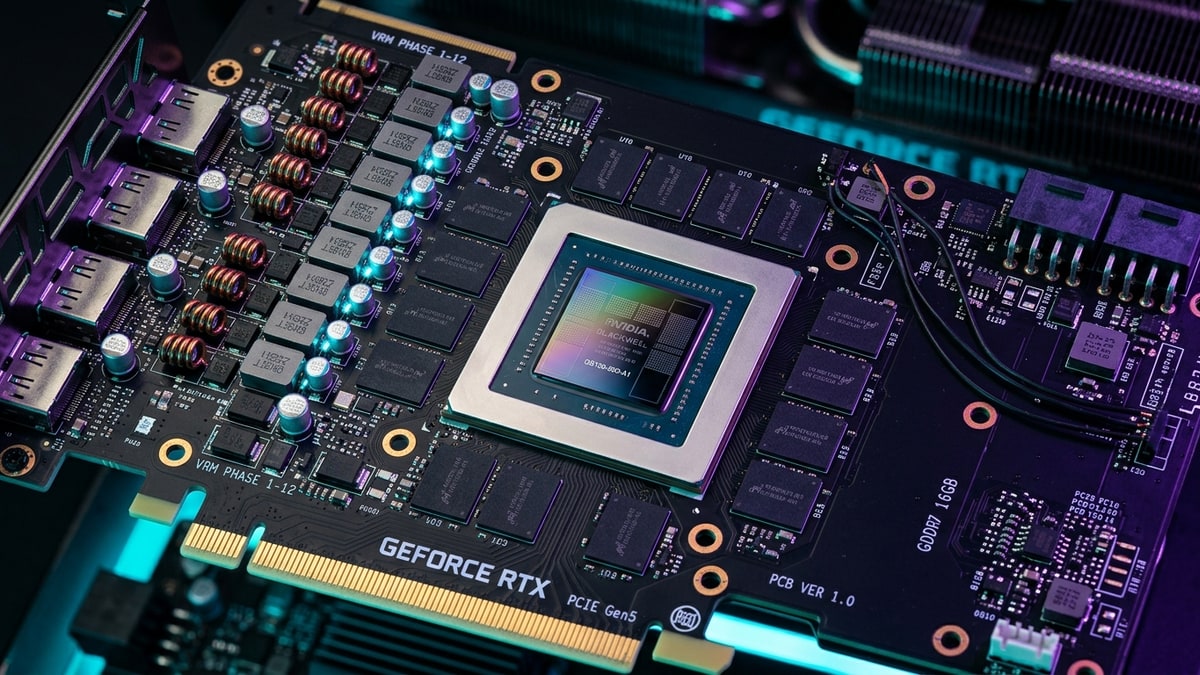
Technical breakdown of GDDR7 memory speeds, 16GB VRAM minimum requirements for 1440p ray tracing, and PCIe 5.0 bus bandwidth in 2026 graphics cards.
Technical benchmarks evaluating PCIe 5.0 NVMe sequential read speeds (14,000 MB/s), GPU asset decompression, and DirectStorage 1.2 frame pacing.
Panther Lake is a codename for Core Ultra Series 3 mobile processors developed by Intel.
Nova Lake is a codename for Core Ultra Series 4 desktop and mobile processors developed by Intel.