Intel Arrow Lake 200S DDR5 Tuning BIOS FPS
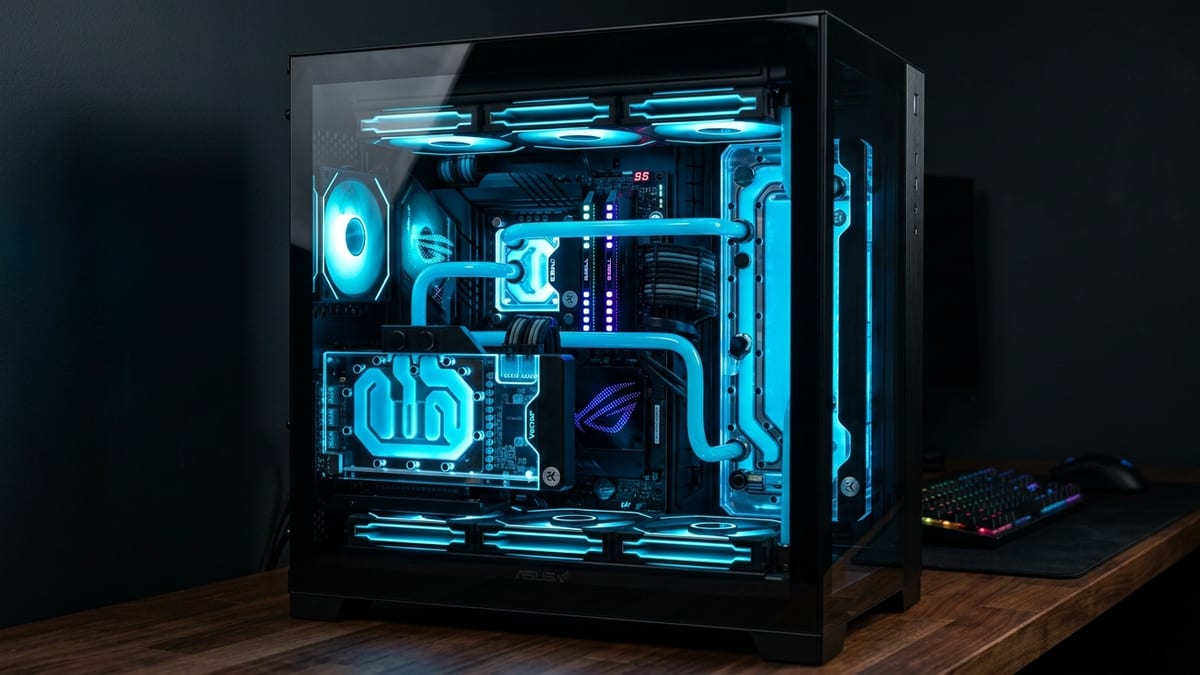
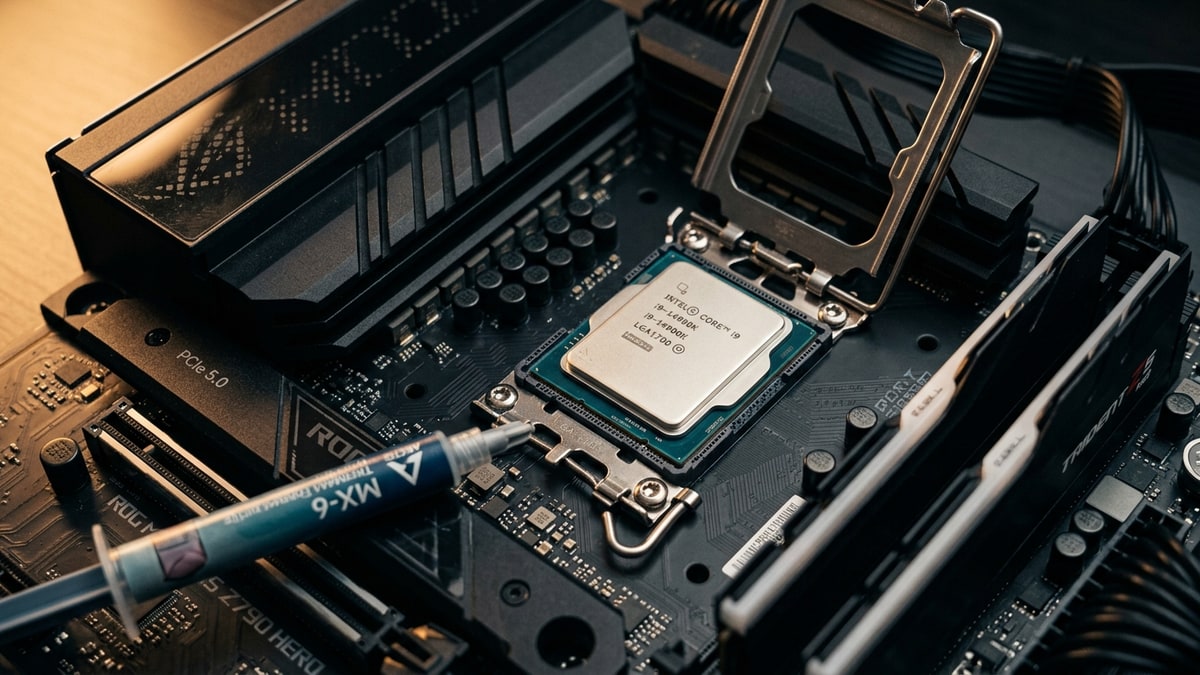
A practical tuning guide for Core Ultra 200S gaming: the 200S Boost profile, the DDR5-6400-to-7200 memory sweet spot, and the BIOS and Windows settings that recovered Arrow Lake's frame rates.
Page 4 of 6 for HARDWARE coverage.
SHOWING 37-48 OF 66 HARDWARE ENTRIES
A practical tuning guide for Core Ultra 200S gaming: the 200S Boost profile, the DDR5-6400-to-7200 memory sweet spot, and the BIOS and Windows settings that recovered Arrow Lake's frame rates.
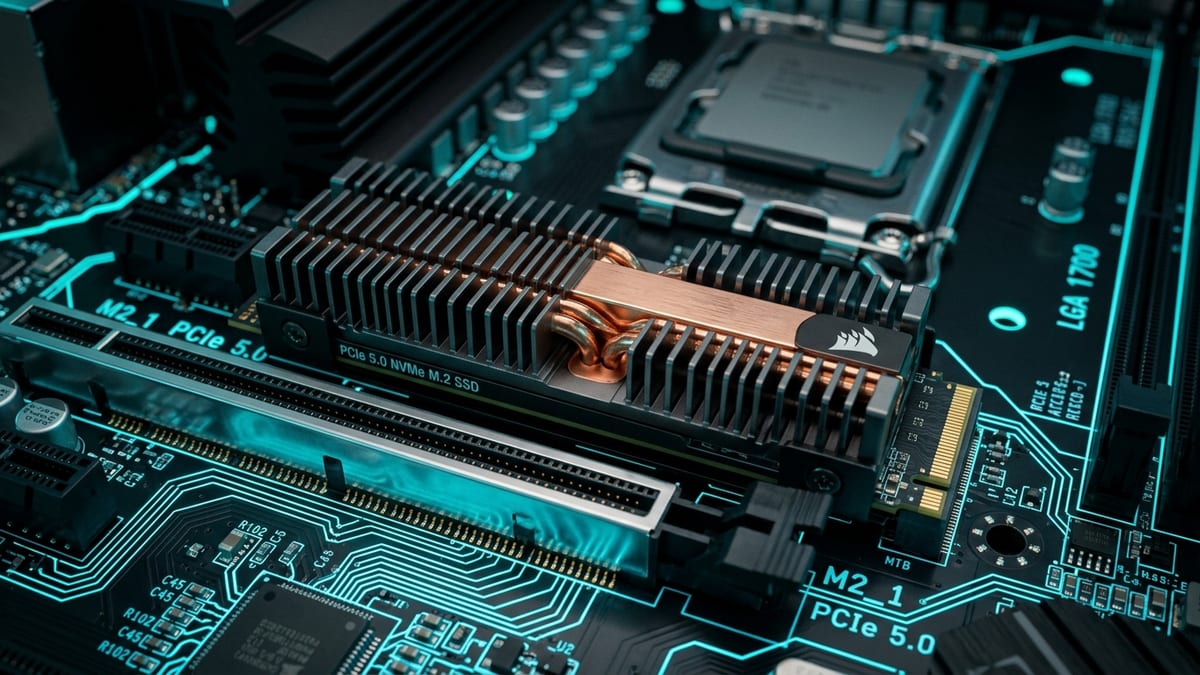
PCIe 5.0 NVMe roughly doubles sequential bandwidth over Gen4, but real game load times barely move because titles load through random reads and CPU decompression — DirectStorage is what could eventually change that math.
PS5 Pro Enhanced titles use a combination of PSSR upscaling, advanced ray tracing, and higher frame-rate targets; this running list tracks which games use which enhancements.
Sony's upgraded PSSR is an ML upscaler co-developed with AMD that reconstructs sharper, more temporally stable images on PS5 Pro, and it now rolls out as an optional system-level override for any PSSR-supported title.
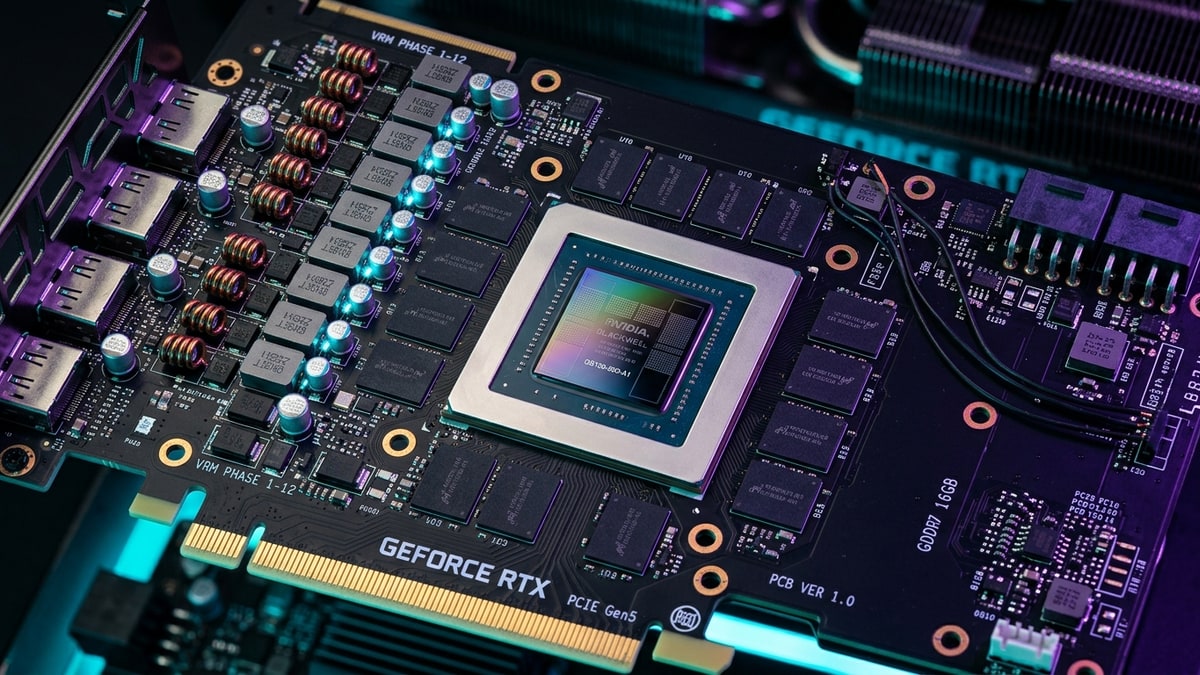
AMD's official FSR 4.1 backport to Radeon RX 7000 in mid-2026 removes the biggest feature gap with RDNA 4, reshaping the value of the 7800 XT and 7900 XT on the used market — at the cost of a measurable performance hit versus FSR 3.1.
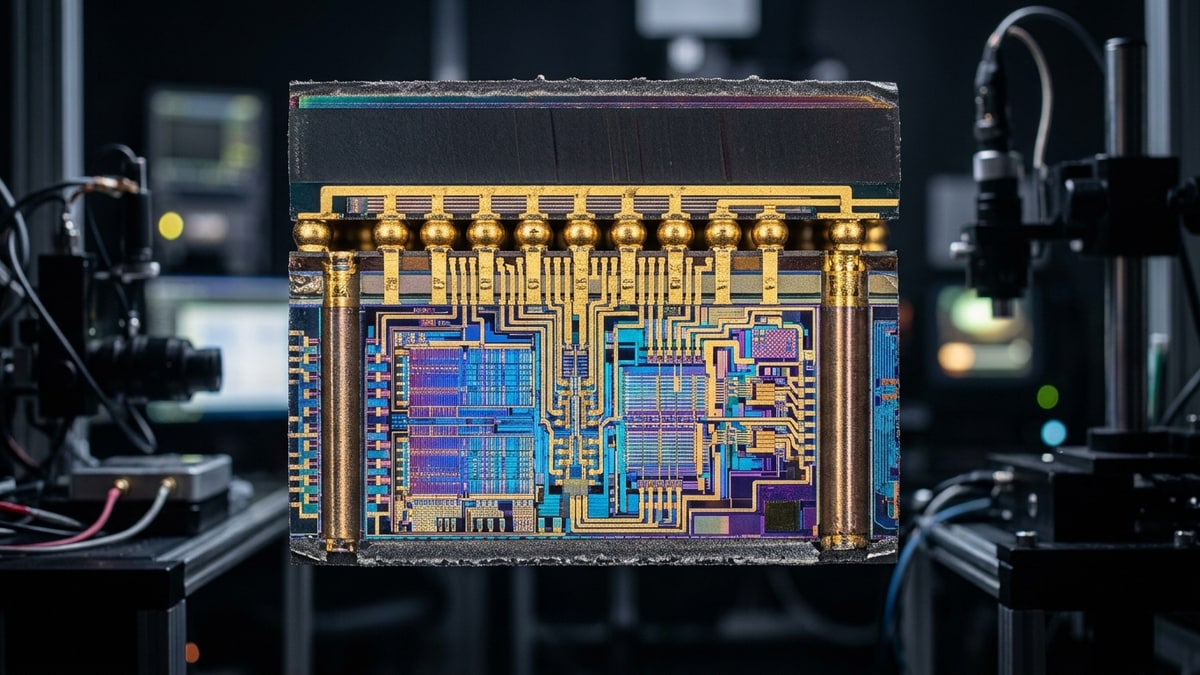
The 8-core 9800X3D gives gamers a single symmetric CCD with stacked 3D V-Cache, while the 16-core 9950X3D splits its cache across two asymmetric CCDs — and which one wins depends on whether your workload can stay on the fast die.
A benchmark-driven explainer of where CPU limits dominate GPU throughput in 2026, and why AMD's stacked 3D V-Cache widens the gap in MMO cities, RTS late-game, and 1080p esports.
Ranks 2026's CPUs for CPU-bound genres using sim-step benchmarks in Stellaris, Age of Empires IV, and large MMO siege scenarios.
A side-by-side evaluation of the three major spatial-temporal upscalers across 12 modern PC titles, measuring image stability, motion artifacts, and performance overhead on current-generation GPUs.
A 2026 buyer's guide that ranks laptop GPU tiers against panel quality, TGP, and cooling — and lists the red flags that turn a fast-sounding chip into a bad buy.
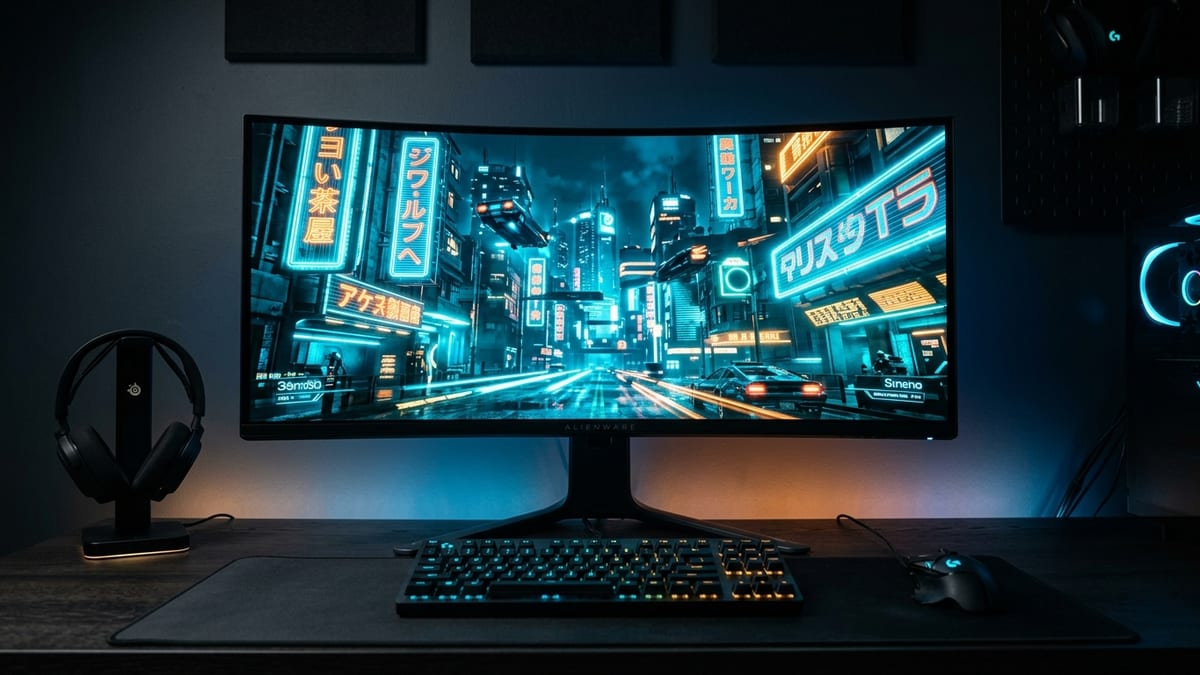
A panel-by-panel and refresh-rate breakdown of what 2026 gaming monitors actually deliver, where OLED burn-in still bites, and where 240/360/540Hz stops being perceptible.
Three concrete 2026 part lists at $1k, $1.5k, and $2.5k, each with the bottleneck it hits first and the cheapest upgrade that unsticks it.